
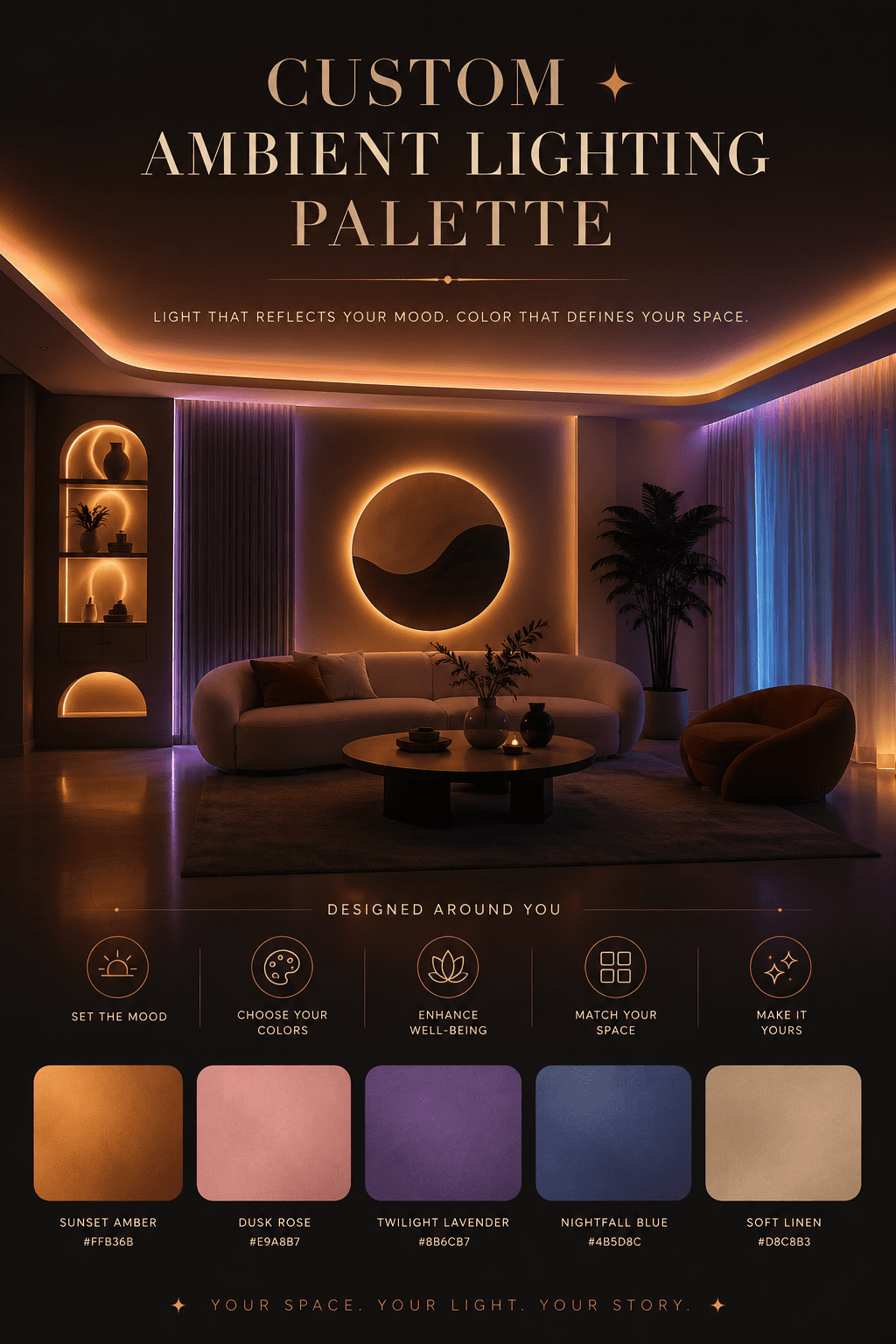
Creating the perfect atmosphere at home starts with choosing the right custom ambient lighting palette. Lighting has evolved far beyond basic utility; today, it is the primary tool used by interior designers to create cozy, luxurious, and emotionally resonant spaces. By moving away from singular, harsh overhead light sources and embracing a carefully curated palette of color temperatures and layered fixtures, you can completely transform your home’s mood and architectural character.
A custom ambient lighting palette is a collection of light sources, colors, and intensities tailored to your specific aesthetic and interior décor theme. Whether you are aiming for a serene Scandinavian retreat, a warm organic haven, or a high-energy modern lounge, mastering the art of home illumination is critical. For a deeper dive into the basic vocabulary and physics of space illumination, you may also find our comprehensive guide on the ambient light definition highly useful.
01 — The Science
The Science of Kelvin, CRI, and Material Interaction
To truly master ambient lighting, we must look at how light interacts with physical materials. As design professionals, we often see beautiful rooms fall flat simply because of poor bulb selection. Two main metrics govern how a light source performs: Color Temperature (measured in Kelvin) and the Color Rendering Index (CRI).
Color temperature dictates the warm or cool tint of a light. But temperature is only half the battle. CRI measures how accurately a light source reveals the true colors of objects, paints, and textures compared to natural sunlight. Standard LED bulbs often have a CRI of 80, which can make rich materials look dull or muddy.
“During a recent historic remodel featuring heavy dark oak paneling and warm Calacatta marble accents, the spaces initially felt gloomy and clinical. The issue wasn’t the layout, but cheap, low-CRI LED fixtures. Once we swapped the existing bulbs for architectural-grade, high-CRI (95+) warm-dim LED modules, the deep wood grains took on a rich, satiny luster and the subtle gold veining in the marble sprang to life.”
— Elegant Home Editorial Styling Team
When styling spaces with organic materials like marble, brass, or velvet, aim for light sources with a CRI of 90 or above. This ensures that the deep undertones of your paints and the complex textures of your fabrics are rendered with rich, natural-looking depth.
02 — Palette Inspiration
Trending Ambient Lighting Palettes
The ideal lighting palette coordinates with the physical color scheme of your interior. Here are the most effective color-temperature combinations currently favored in modern high-end homes:
To implement these effectively, consider these three classic design archetypes:
- Warm Minimalist (2200K – 2700K): Excellent for Japandi and Scandinavian spaces. Focuses on ultra-warm, low-glare accent lights paired with soft white lampshades to mimic candlelight.
- Earth-Tone Glow (2700K – 3000K): Best for Organic Modern and Bohemian interiors. It complements natural textures like linen, warm terracotta, jute, and olive green walls.
- Modern Luxury (3000K – 3200K): Best for spaces with crisp architectural details, polished metals, and stone. It keeps the environment looking clean and bright without feeling sterile.
If you are looking to explore a highly specific, romantic color mood, our specialized ambient lighting palette blush guide offers an in-depth look at soft, rosy color schemes.

Figure 1: An elegantly styled living room utilizing a 2700K base layer mixed with discrete indirect LED cove lighting.
03 — The Strategy
How to Build a Custom Lighting Palette
A master lighting scheme relies on systematic layering rather than guesswork. To prevent a room from feeling flat, designers rely on the “Layered Triad.” This system balances three independent layers of light to build physical depth and visual comfort.
The Layered Triad Breakdown
- The Ambient Base Layer: This is the foundation. It provides the general illumination required to move safely through a room. Instead of relying on a single overhead dome light, build this layer using dimmable architectural recessed downlights, cove lighting, or flush-mount fixtures.
- The Task Layer: Focused, glare-free light designed for specific activities. Examples include brass swing-arm reading lamps next to a bed, under-cabinet LED strips in a pantry, or elegant pendant lamps hanging low over a kitchen island.
- The Accent Layer: This is the artistic layer. It highlights architectural focal points, artwork, and premium textures. Picture-lights over artwork, hidden uplights behind large indoor plants, and LED strips highlighting the bottom of floating cabinets fall into this category.
To ensure your layout meets structural and visual ergonomic standards, you can refer to the residential lighting standards outlined by the Illuminating Engineering Society (IES).
When these three layers overlap, shadows are softened, and the room feels spacious and balanced. For more detailed layouts and physical bulb placement instructions, check out our guide on ambient room lighting.
04 — Spatial Application
Room-by-Room Ambient Strategy
Different spaces in your home serve distinct emotional and functional needs. Your ambient lighting palette should adapt to these requirements:

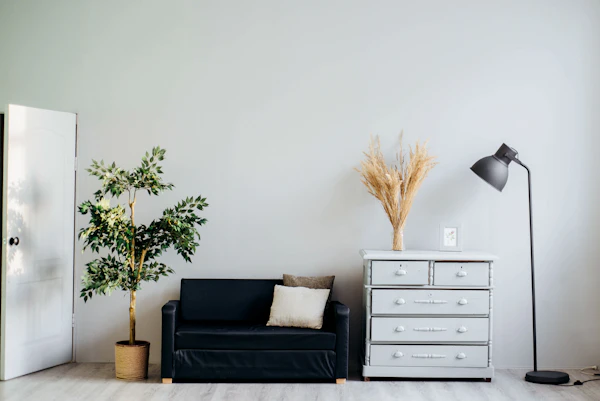
Figure 2: Layering portable fixtures like table lamps alongside warm architectural detailing creates a comfortable, high-end look.
The Living Room
Living rooms are highly multi-functional. They host social gatherings, family movie nights, and quiet reading hours. Here, flexibility is paramount. Utilize a 2700K warm white base layer on dimmers. Introduce low-glare floor lamps in corners to push light upward, making the ceiling feel higher.
The Bedroom
In the bedroom, the primary goal is relaxation and healthy circadian alignment. Keep light sources low to the ground and out of your direct line of sight. Avoid harsh overhead lighting. Instead, opt for 2200K to 2700K table lamps, or low-voltage LED tape strips installed underneath the bed frame or behind headboards for a modern, floating aesthetic.
The Bathroom
Bathrooms require a careful balance of task clarity and spa-like comfort. To prevent shadows under your eyes while grooming, mount wall sconces at eye level on both sides of the vanity mirror. Use a clean, neutral 3000K tone for the vanity area, and install a separate, dimmable 2700K warm circuit for late-night baths.
The Kitchen
The kitchen is highly functional, yet often serves as the home’s social hub. Use 3000K neutral-warm lighting for crisp illumination over work surfaces. Under-cabinet LED tape is essential here; it illuminates the countertops directly, eliminating shadows cast by ceiling lights.
05 — Modern Tech
Smart Lighting and Scene Automation
Smart lighting ecosystems have made it incredibly simple to curate and automate your ambient palettes. Rather than manually adjusting multiple switches, smart systems let you control your home’s mood dynamically:
- Circadian Lighting: Program your smart system to mimic the natural cycle of the sun. Transition from a bright, energy-boosting 4000K in the morning to a soft, melatonin-friendly 2200K amber glow by 8:00 PM.
- One-Touch Custom Scenes: Create preset scenes like “Dinner Party” (low dining light, active accent sconces) or “Cinema Mode” (recessed lights off, weak TV backlighting active).
- Hands-Free Convenience: Voice control integration via local hubs allows you to dim rooms effortlessly, keeping the design sleek and wall switches minimal.
06 — Design Pitfalls
Common Ambient Lighting Mistakes to Avoid
Even high-end, expensive projects can suffer from poor lighting execution. Avoid these common installation traps:
-
The “Swiss Cheese” Ceiling: Avoid installing row after row of standard recessed downlights in a symmetrical grid. This creates harsh glare and makes the room feel sterile. Use directional, deep-regressed downlights selectively.
-
Color Temperature Clashing: Do not mix bulb temperatures within the same visual field. Running a 2700K floor lamp alongside a 5000K daylight-white ceiling bulb creates a jarring, disjointed atmosphere that causes eye strain.
-
Skipping Dimmers: Dimmers are a simple, cost-effective way to elevate an interior. Without dimmers, you lose the ability to shift your environment from active daytime tasks to cozy evening relaxation.
To avoid reflections on polished surfaces like marble countertops or glossy wood floors, place your downlights so they hit work surfaces at a slight angle rather than casting a direct, harsh vertical beam. Utilizing frosted diffusers or anti-glare baffle trims will soften hot spots while preserving a warm, uniform glow across your materials.
07 — Smart Budget Upgrades
DIY-Friendly and Budget-conscious Lighting Enhancements
You do not need an extensive renovation to elevate your home’s lighting design. Consider these simple, cost-effective solutions:
- Plug-in Floor Spotlights: Place a cheap, compact floor uplight behind an indoor plant, armchair, or decorative screen. The upward light cast through foliage or furniture creates striking, elegant shadows on your walls.
- Rechargeable Magnetic LED Bars: Install these slim, battery-powered fixtures under kitchen cabinets, inside pantries, or within deep shelving units. They attach magnetically and provide premium, cord-free task lighting without the need for an electrician.
- Smart Plug Integration: Plug your existing vintage brass lamps into affordable smart outlets. This lets you link legacy lamps to a single wall remote or scheduling app, bringing older fixtures into your home’s automated ambient scenes.
FAQ
Frequently Asked Questions
What is the best color for ambient lighting?
Warm white lighting between 2700K and 3000K is generally considered best for creating cozy and inviting interiors in living rooms and bedrooms.
How do I create a luxury ambient lighting setup?
Use layered lighting, warm dimmable LEDs, indirect cove lighting, and high-end decorative fixtures like brass sconces or crystal pendant lights.
Are RGB lights good for home décor?
Yes, when used subtly as indirect accents behind furniture or shelves, RGB lighting can enhance modern interiors and create a dynamic, sophisticated ambiance.
Which rooms benefit most from ambient lighting?
Living rooms, bedrooms, home theaters, and bathrooms benefit significantly from layered ambient lighting to create depth and comfort.
Is smart lighting worth it?
Yes, smart lighting offers convenience, automation, and the ability to change color temperatures and scenes based on the time of day, making it a valuable investment.
How many light sources should a room have?
Interior designers typically recommend at least three layered light sources per room—ambient, task, and accent—for balanced and functional illumination.
Final Thoughts
A custom ambient lighting palette is one of the most impactful upgrades you can make to your home. By thoughtfully layering your light sources, prioritizing high-CRI fixtures, and maintaining a cohesive color temperature, you can easily turn any room into a calm, personalized sanctuary. Do not be afraid to experiment with portable uplights or smart schedules to find the perfect daily rhythm for your household.