
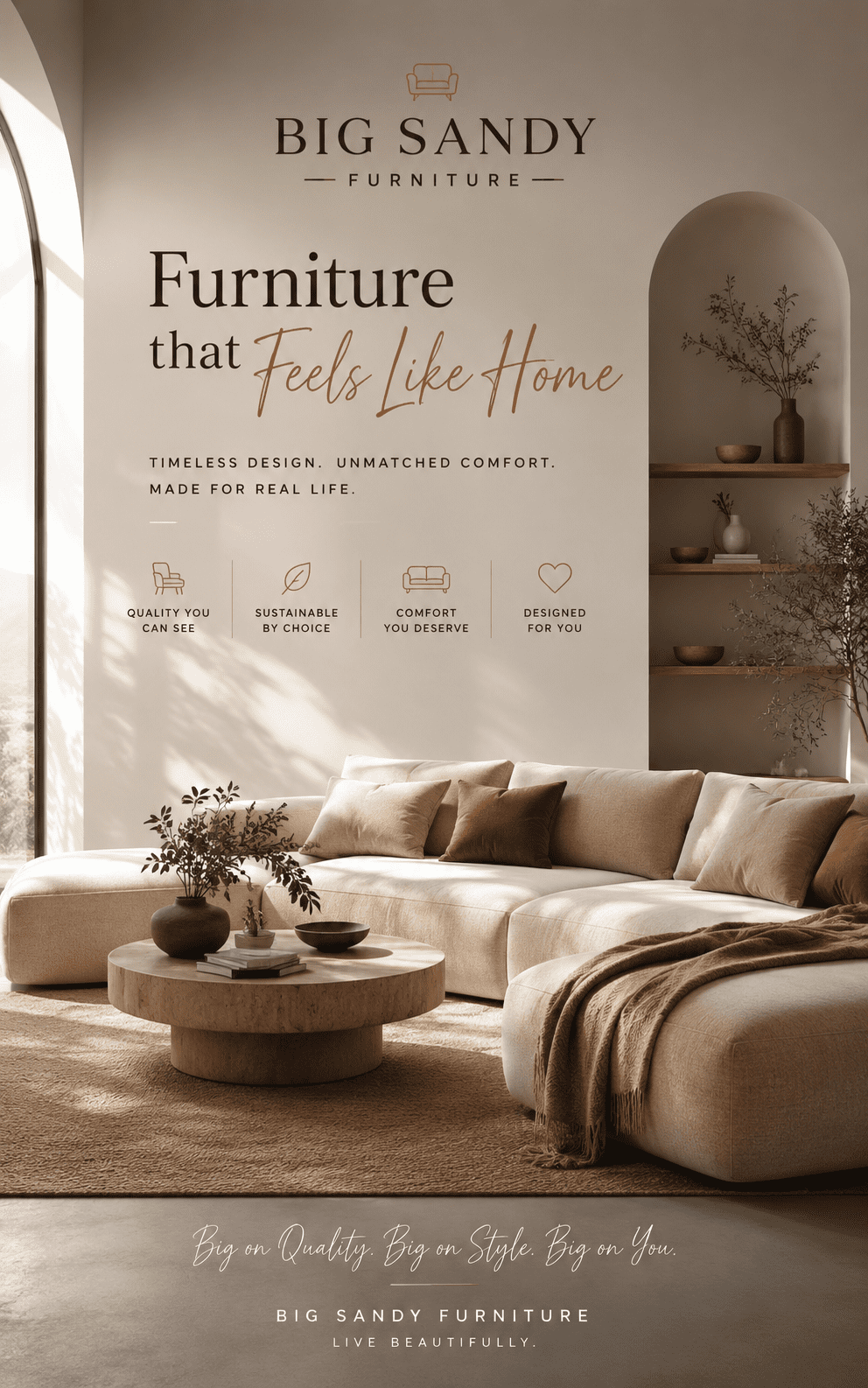
Ambient lighting is one of the most important elements in interior design, yet many homeowners overlook its impact. Whether you want a cozy bedroom, a luxurious living room, or a modern kitchen, understanding the ambient light definition can completely transform your home décor. In today’s design world, ambient lighting is no longer just about visibility—it’s about creating mood, comfort, and aesthetic appeal.
Pinterest-inspired homes often rely heavily on layered lighting techniques, with ambient lighting serving as the foundation. This article explores everything you need to know about ambient light, including its definition, types, benefits, design ideas, and practical tips for every room in your house, followed by our comprehensive Big Sandy furniture layout guide.
01 — Lighting Foundation
What Is Ambient Light?
Ambient light refers to the general illumination in a room that provides overall visibility and comfort. It is the primary source of light that fills a space evenly without creating harsh shadows or glare. In simple terms, ambient lighting creates the base layer of lighting in any interior environment.
Unlike task lighting, which focuses on specific activities such as reading or cooking, ambient lighting spreads soft illumination throughout the entire room. For more interior styling and modern decorative ideas, you can explore detailed ambient room lighting setups.
• Provides overall room illumination to make spaces usable.
• Creates a comfortable, glare-free atmosphere.
• Reduces eye strain by softening contrast.
• Enhances interior aesthetics and works as the foundation for layered lighting.
Ambient light can come from both natural and artificial sources. Sunlight through windows during the day is natural ambient light, while ceiling fixtures, chandeliers, recessed lights, and wall sconces provide artificial ambient illumination.
02 — Design Impact
Why Ambient Lighting Matters in Home Décor
Lighting influences how a room feels more than almost any other design element. A poorly lit room can feel cold, dull, or cramped, while proper ambient lighting creates warmth and elegance. If you love this aesthetic, check out these community ideas on bedroom ambient lighting for real-world setups.
“Properly executed ambient lighting softens boundaries, shifts perspectives, and makes an interior layout feel twice as expensive as it actually is.”
Benefits of Ambient Lighting
- Creates a Comfortable Atmosphere: Soft ambient lighting helps people feel relaxed and comfortable. It makes spaces more inviting for guests and more enjoyable for everyday living.
- Improves Room Functionality: Without proper ambient lighting, even beautiful interiors can feel impractical. Balanced illumination allows people to move safely and comfortably.
- Enhances Interior Design: Ambient lighting highlights furniture textures, wall colors, artwork, and architectural features.
- Makes Spaces Look Larger: Well-distributed light reduces dark corners, making rooms appear more spacious and open.
- Adds Luxury and Elegance: Modern luxury interiors rely heavily on layered ambient lighting to achieve a sophisticated aesthetic.
03 — Fixture Guide
Types of Ambient Lighting
Understanding different ambient lighting options helps homeowners choose the right style for their interiors.
1. Ceiling-Mounted Fixtures
Ceiling lights are the most common source of ambient lighting. Examples include flush mount lights, semi-flush mount fixtures, chandeliers, and pendant lights. These fixtures distribute light evenly throughout the room.
2. Recessed Lighting
Recessed lighting, also known as can lighting, is installed into the ceiling. It creates a clean and modern appearance while offering excellent general illumination with a minimalist footprint, space-saving installation, and even distribution.
3. Wall Sconces
Wall-mounted lighting adds soft ambient illumination while enhancing wall décor, making them perfect for hallways, bedrooms, bathrooms, and living rooms.
4. LED Strip Lighting
LED strips are extremely popular in modern and Pinterest-inspired interiors. They create indirect ambient lighting behind TVs, headboards, shelves, mirrors, and cabinets.
5. Floor and Table Lamps
Lamps provide flexible ambient lighting while also serving as decorative pieces. Popular lamp styles include arc floor lamps, ceramic table lamps, modern metal lamps, and Scandinavian wood lamps.
04 — Room-by-Room Layouts
Ambient Lighting for Different Rooms
Living Room Ambient Light
The living room is often the center of the home, making ambient lighting especially important. Use warm white bulbs (2700K–3000K), combine ceiling lights with floor lamps, install dimmers for flexibility, and add LED strips behind furniture for depth.
Bedroom Ambient Lighting
Bedrooms should feel calm and peaceful. Install soft bedside lamps, use hidden LED strip lighting, choose warm-toned bulbs, and avoid harsh overhead lighting. Many modern bedrooms now feature indirect ceiling lighting for a luxurious hotel-style effect.
Kitchen Ambient Lighting
Kitchen lighting must balance beauty and functionality. Combine recessed ceiling lights for overall illumination with pendant lights above islands and under-cabinet LEDs with warm-neutral white lighting.
Bathroom Ambient Lighting
Bathrooms benefit from soft yet bright lighting. Use backlit mirrors, ceiling-mounted LEDs, wall sconces near mirrors, and moisture-resistant fixtures.
Dining Room Ambient Lighting
Dining rooms look elegant with statement lighting like chandeliers, linear pendant lights, and dimmer-controlled ceiling fixtures to create an intimate mood.
05 — Color Theory
Understanding Color Temperature
One of the most important aspects of ambient lighting is color temperature. Selecting the right color temperature defines the psychological warmth of the space.
Figure 1: Recommended light temperatures for residential environments, transitioning from warm and restful to cool and productive.
06 — Layering Light
Ambient Lighting vs Task Lighting vs Accent Lighting
Understanding layered lighting is essential for great interior design. The best interiors combine all three types to build visual depth.
| Lighting Type | Purpose | Example |
|---|---|---|
| Ambient Lighting | General illumination | Ceiling lights, Recessed cans |
| Task Lighting | Focused activities | Desk lamp, Reading light |
| Accent Lighting | Decorative emphasis | Spotlight on artwork, Uplighting |
Creating a home that feels genuinely welcoming, elegant, and functional is an art form that extends far beyond merely filling empty floor space with items of furniture. The true foundation of a home’s personality, daily comfort, and flow relies heavily on the layout and quality of your primary furnishings. When homeowners seek versatile, well-crafted pieces that bridge the gap between elevated design, family-friendly durability, and accessibility, Big Sandy Superstores frequently emerge as a reliable resource. With over 70 years of regional retail heritage, their curated collection offers the ideal starting point for designing balanced, layered interior spaces.
Today’s discerning homeowner is no longer satisfied with matchy-matchy showroom sets or stiff, uninviting setups. The modern interior calls for highly coordinated zones, plush tactile layers, and functional storage solutions that directly support your lifestyle. Whether you are stepping into a complete top-to-bottom home redesign or looking to elevate a single corner with a thoughtful statement piece, this professional guide provides clear room-by-room styling principles, spatial guidelines, color palettes, and practical purchasing checklists to turn your interior vision into reality.
07 — Space Planning
The Foundations of Modern Living Room Layouts
As the undisputed hub of the modern home, the living room must gracefully accommodate everything from cozy family movie nights to formal gatherings and active entertaining. To achieve this balance, your seating must serve as a functional anchor. Deciding between a sprawling sectional and a structured traditional sofa is the first major layout decision you will face.
Sectional sofas, particularly L-shaped and U-shaped designs, are incredibly well-suited for open-concept layouts. They naturally define the boundaries of a lounge area without the need for physical partitions, maximizing your corner real estate and providing ample legroom. When working with tighter footprints, however, a traditional three-seater sofa paired with two distinct accent chairs is often a more agile choice. This classic pairing allows for a lighter visual footprint, keeps pathways clear, and provides flexible, conversational seating that can be shifted effortlessly as needs evolve.
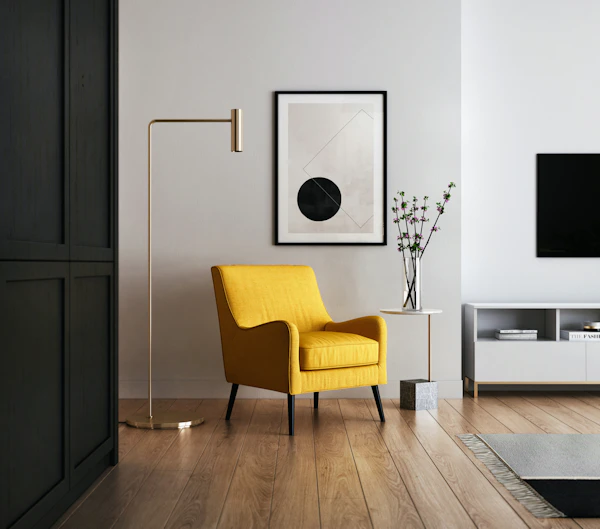
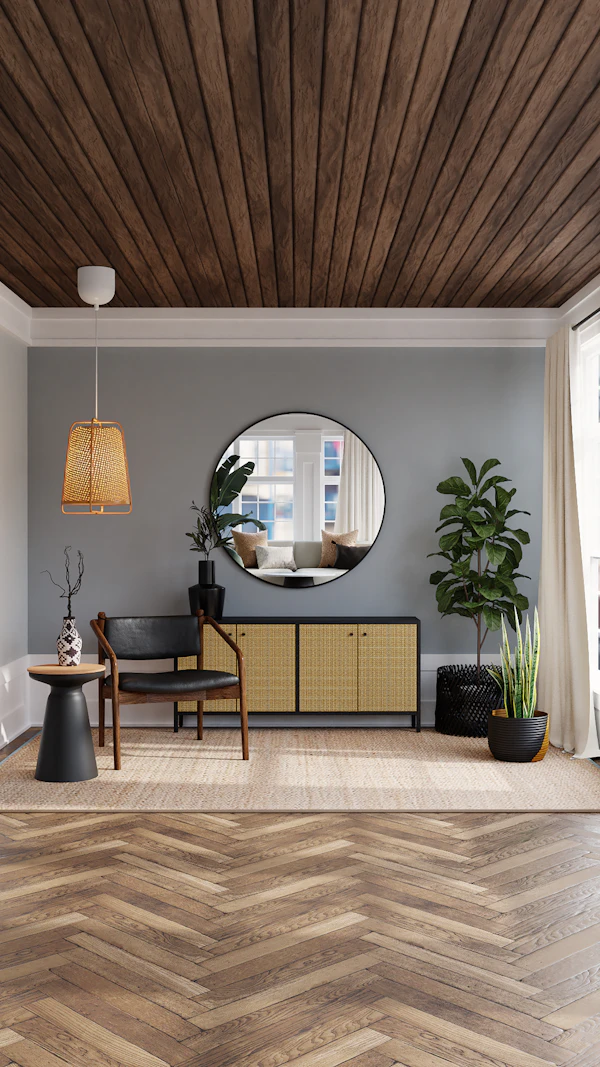
Figure 2: High-capacity sectional arrangements versus low-profile accent chairs to structure natural traffic flow.
To tie the seating arrangement together, incorporate cohesive accent tables. Mixing materials in this layer adds depth and keeps the room from looking one-dimensional. For instance, pairing a rich, organic solid wood coffee table with sleek, slender metal side tables instantly elevates the design, lending the space a curated, designer-influenced edge rather than a flat, catalog-like appearance.
08 — Color & Texture
Curating Warm Neutral Palettes & Tactile Textures
A timeless, elegant home starts with a versatile and calm foundation. Neutral color palettes continue to dominate contemporary design because they form a serene backdrop that allows you to easily update accessories, throws, and seasonal accents without changing your heavy investment furniture. However, the secret to prevent a neutral room from feeling cold or uninspired is the strategic use of texture.
By layering distinct textiles—such as chunky bouclés, supple leathers, relaxed linens, and refined woven fabrics—you create subtle shadows and visual warmth that make a monochromatic or tonal room feel incredibly rich and inviting. Contrast these soft elements with organic hard surfaces like polished marble, warm wood grains, and brushed brass metals to anchor the room.
The Warm Mineral Palette:
Figure 3: A carefully proportioned color combination designed to instill quiet luxury into primary living areas.
09 — Restful Retreats
Crafting a Restful Bedroom Sanctuary
Your bedroom should serve as a deeply personal retreat designed to quiet the mind and promote restorative sleep. The styling process begins with selecting a bed frame that establishes the aesthetic tone of the entire space. Upholstered beds remain a highly favored choice for luxury-leaning interiors; their plush headboards offer comfortable back support for late-night reading and soften the hard angles of the surrounding architecture.
Alternatively, a sleek, low-profile wooden platform bed appeals directly to minimalist, mid-century, or Scandinavian styles, helping to maximize the sense of overhead space in bedrooms with low or standard ceiling heights.
“An elegant bedroom layout is never crowded. Balance the physical weight of your bed frame by leaving at least 30 to 36 inches of clear walking space around all three sides, allowing the energy of the room to flow seamlessly.”
Beyond the bed itself, nightstands and dressers complete the room’s function. Rather than buying a matching set where every item of wood is identical, try coordinating pieces that share a common element but possess unique shapes. For example, pair a rich wood grain dresser with painted or linen-wrapped nightstands. Keep nightstand surfaces clean and intentional by adding a small ceramic lamp, a stack of linen-covered books, and a simple brass dish to collect jewelry.
10 — Dining & Gathering
The Social Dining Space: Scale & Proportion
The modern dining room is no longer reserved solely for holiday gatherings. It is a highly active, multi-functional zone where families enjoy casual weekday breakfast, children tackle homework, and friends gather for lingering dinner parties. Choosing the proper shape and size for your dining table ensures that comfort and fluid conversation remain the focal points.
Rectangular dining tables are the classic choice for dedicated, elongated dining rooms, comfortably hosting larger groups and offering space for extendable leaves. In contrast, round or oval dining tables excel in square spaces, open-concept nooks, and smaller dining areas. Their curved edges visually soften boxy rooms and facilitate better face-to-face interaction, keeping conversations natural and inclusive.
To prevent a dining table from dominating your room or feeling too cramped, aim for a minimum of 36 inches of clearance between the table’s edges and the surrounding walls or sideboard cabinets. This provides ample physical space for guests to pull back chairs, stand up, and move comfortably around the perimeter of the room without interrupting the flow of the dinner.
When pairing chairs with your table, always weigh comfort alongside appearance. If you plan to host lingering dinner parties, consider fully upholstered chairs with comfortable armrests and performance fabric coatings that protect against accidental spills. If space is tight, lightweight, low-backed wooden chairs or built-in banquet seating can help maintain an open, uncluttered look. You can also explore romantic date night room ideas to bring additional warmth to your layout.
11 — Ergonomics & Workspaces
Designing a Highly Productive Home Office
With remote work firmly established as a permanent element of daily life, setting up a dedicated home workspace is essential for maintaining focus and physical well-being. A successful home office starts with a high-performance ergonomic chair that offers comprehensive lumbar support, adjustable armrests, and pneumatic seat height controls to prevent physical fatigue during long work sessions.
Your choice of desk should align closely with your daily workflow. A classic writing desk with simple, elegant lines is perfect for laptop-based tasks and maintaining a clutter-free room. However, if you require multiple monitors, extensive files, and reference books close at hand, an L-shaped corner desk or a substantial executive desk with integrated cable management and deep drawers is highly beneficial. For an active alternative, a high-quality motorized standing desk allows you to transition between sitting and standing effortlessly, boosting circulation and energy levels.

Figure 4: Integrating a functional home workspace that complements your home’s overriding design style.
12 — Pitfalls to Avoid
Common Decorating Pitfalls to Avoid
Even when investing in high-quality furniture pieces, minor styling errors can disrupt the harmony of your home. Recognizing these common pitfalls can help you avoid costly missteps and keep your design on track.
-
The “Matching Set” Trap: Purchasing a matching set of a sofa, love seat, and armchair from the same collection can make a living room look overly commercial. Instead, mix complementary fabrics, wood tones, and textures for a custom, designer-inspired feel.
-
Incorrect Rug Sizing: Laying down an undersized rug that floats in the center of the room is a common mistake. Ensure that at least the front legs of all primary seating elements sit on top of the rug to ground the space.
-
Ignoring Natural Walkways: Packing too many large pieces into a single space can block pathways. Maintain a logical, comfortable traffic flow of 30 to 36 inches for major walkways.
-
Flat, Unlayered Lighting: Relying solely on a single overhead ceiling light can wash out details and make a space feel cold. Always layer your ambient, task, and accent lighting.
13 — Buyer’s Checklist
The Smart Furniture Buying Checklist
Because purchasing furniture represents a long-term financial commitment, taking the time to evaluate your options systematically will save you stress and ensure your new pieces fit your home beautifully. Keep this essential checklist in mind before making any major purchases:
- Verify All Clearances: Measure the width, height, and depth of your room. Additionally, measure the clearance of all doorways, hallways, stairwells, and elevator doors to ensure the delivery team can safely bring the pieces into your home.
- Match Pieces to Your Lifestyle: If you have energetic young children or beloved pets, prioritize highly durable performance fabrics (such as Crypton or heavy microfibers) and top-grain distressed leathers that naturally resist staining and show wear gracefully.
- Prioritize Material Integrity: Look for solid hardwood frames (like oak, maple, or walnut) with corner-blocked joints rather than light MDF or particleboard constructions to ensure your furniture stands the test of time.
- Consider Multi-Functional Value: If storage is premium, opt for hidden storage ottomans, bed frames with integrated under-bed drawers, or lift-top coffee tables that double as occasional work desks.
Enhancing Spaces with Curated Decorative Accents
Once your main furniture is placed, adding a curated layer of accessories completes the space, introducing personality and warmth. Think of this final stage as the “jewelry” of the room. Start by introducing vibrant indoor plants, such as a tall Snake Plant in a textured ceramic pot or a statement Monstera Deliciosa in the corner, which bring organic shapes and natural color contrast to your design.
Next, elevate your lighting with a layered approach. Place a sculptural ceramic table lamp on a side console for a warm, inviting glow, or position an elegant arched floor lamp over an armchair to establish a cozy reading nook. Finish the look with a thoughtful mix of throw pillows and blankets in contrasting textures like chunky wool knits, soft velvets, and organic linens, instantly making the space feel finished and lived-in. Browse the latest furniture collections and home inspiration from the official source at bigsandysuperstore.com.
14 — Expert Answers
Frequently Asked Questions
What is the definition of ambient light?
Ambient light is the general, background illumination that provides overall visibility and visual comfort in a room, serving as the foundational layer of home lighting design.
What are examples of ambient lighting?
Common examples include ceiling fixtures (chandeliers, flush mounts), recessed can lights, wall-mounted sconces, floor/table lamps, and hidden LED strip lighting.
What color temperature is best for ambient lighting?
Warm white lighting between 2700K and 3000K is typically best for residential spaces like bedrooms and living rooms because it creates a cozy, relaxed, and welcoming environment.
What is the most versatile sofa fabric for families with young children or pets?
For active households, performance fabrics are highly recommended. These materials are treated at the fiber level to resist spills, prevent odors, and clean easily with water or mild detergents. High-quality top-grain leather is also an excellent option as it wipes clean and ages beautifully over time.
How do I choose the correct rug size for my open-concept living room?
To define your living space clearly, aim for a rug that accommodates at least the front legs of your primary seating (sofa and accent chairs). An 8×10 foot or 9×12 foot rug is usually ideal for standard living room setups. Avoid floating small rugs in the middle of a seating group, as this can make the entire room feel smaller.
Should my dining room table and sideboard matching pieces be from the same collection?
While matching collections are convenient, mixing and matching creates a much richer, custom-designed aesthetic. Try pairing a rustic solid oak dining table with a sleek black oak or painted credenza. Mixing styles and materials helps your home feel naturally curated and layered over time.
How much space should I leave for major walkways in my living room layout?
For comfortable movement, prioritize keeping major pathways open. You should aim to leave 30 to 36 inches of clear walking space along walkways so people can move freely without hitting furniture legs.