Warm vs Soft White Lighting: 10 Luxury Secrets (2026)
 Save to Pinterest
Have you ever walked into a beautifully decorated home and wondered why everything feels so expensive? Often, the secret isn’t the furniture or paint — it’s the lighting. Understanding warm vs soft white lighting can completely change how your home looks and feels without requiring a costly renovation.
For 2027, creating a luxurious interior is less about installing flashy fixtures and more about choosing the right light color temperature, layering illumination, and avoiding harsh brightness. These ten practical secrets will help you create a softer, more polished atmosphere.
- Understand the Real Difference
- Choose 2700K for Cozy Luxury
- Use 3000K for Modern Elegance
- Layer Lighting Like a Designer
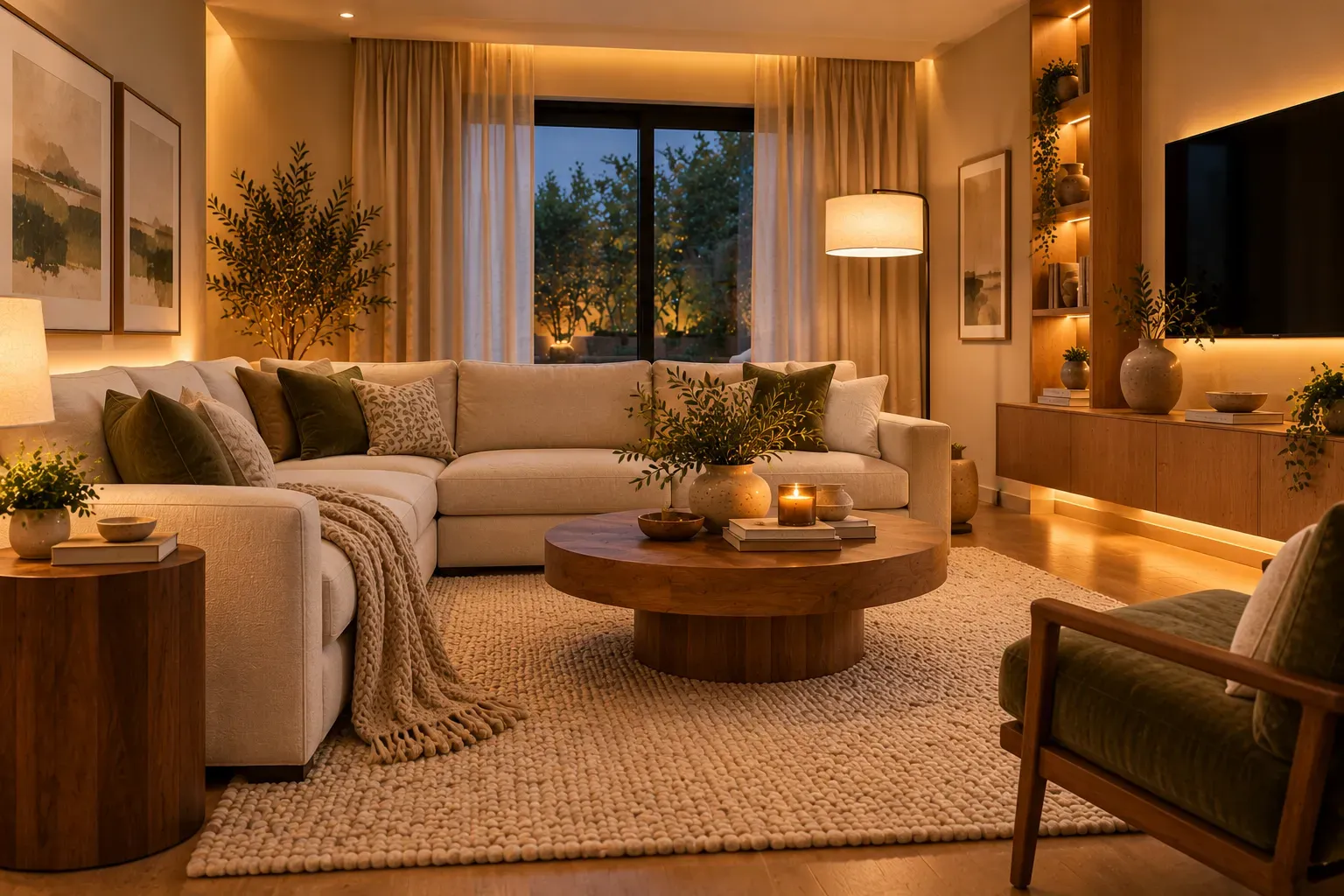
- Make Your Living Room Glow
- Create a Hotel-Inspired Bedroom
- Balance Kitchen Lighting
- Choose Bulbs With Better Color Accuracy
- Use Dimmers for Expensive-Looking Ambience
- Avoid Common Lighting Mistakes
- Frequently Asked Questions
- Conclusion
Understand the Real Difference Between Warm and Soft White
One of the biggest misconceptions about warm white vs soft white lighting is that these labels always describe completely different colors. In reality, manufacturers often use them interchangeably. Soft white bulbs commonly produce light around 2700K, while warm white products may range from approximately 2700K to 3000K. Always check the Kelvin rating rather than relying on packaging descriptions, especially when purchasing bulbs from different brands for the same room.
The lower the Kelvin number, the warmer and more golden the light generally appears. Around 2700K creates a traditional cozy atmosphere, while 3000K usually feels slightly cleaner and less yellow. Neither automatically looks more luxurious. The secret is matching the color temperature to your furniture, wall finishes, and natural daylight. A thoughtfully selected bulb can make inexpensive decor look surprisingly sophisticated without replacing anything.
“Always check the Kelvin rating — not the packaging label. That one habit separates confident decorators from frustrated ones.”
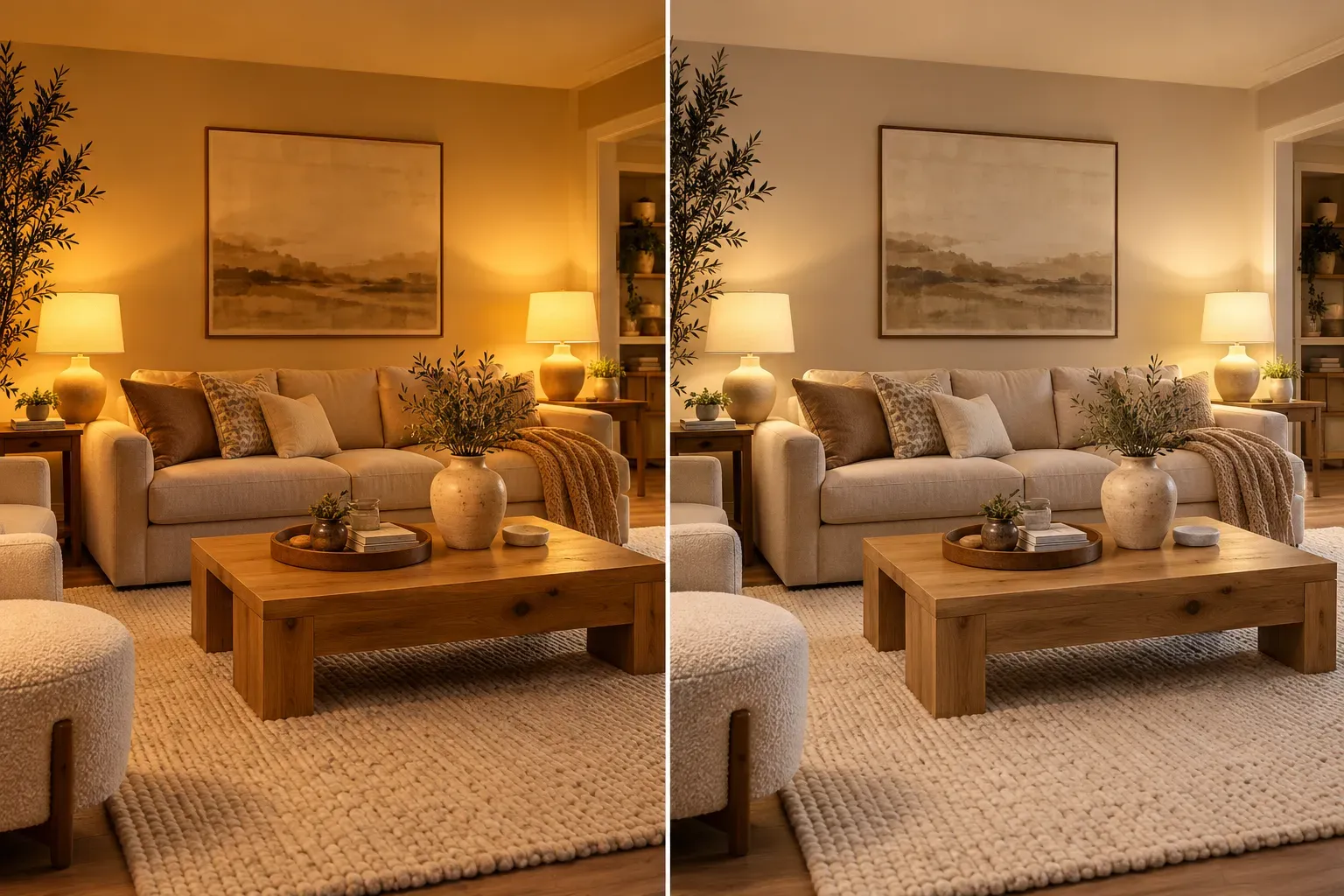
Choose 2700K Lighting for a Cozy Luxury Atmosphere
If you love interiors that feel welcoming, intimate, and beautifully relaxed, 2700K warm white lighting is an excellent starting point. Its gentle golden appearance complements wooden furniture, creamy walls, textured cushions, and traditional decorative finishes. Instead of flooding the entire room with brightness, use warm bulbs inside table lamps and wall sconces. This approach creates inviting pockets of light that make an ordinary evening feel considerably more comfortable and refined.
However, excessive golden illumination can make certain white walls appear yellowish, particularly when multiple bulbs have inconsistent color rendering. Test one bulb before replacing an entire room’s lighting. Observe how it looks after sunset, when daylight no longer influences your perception. A balanced 2700K arrangement works especially well in bedrooms, reading corners, and relaxed living spaces where comfort matters more than intense task visibility.

Use 3000K Lighting for Modern Elegance
For contemporary interiors, 3000K lighting offers an appealing balance between warmth and clarity. It usually looks less amber than 2700K while maintaining a welcoming residential atmosphere. This makes it particularly effective alongside marble countertops, pale oak cabinetry, modern artwork, and understated metallic accents. In open-plan homes, 3000K can provide visual consistency between connected spaces without introducing the clinical appearance sometimes associated with cooler white bulbs.
The trick is selecting fixtures that distribute light softly rather than creating distracting bright spots. Frosted shades, concealed LED strips, and well-positioned wall lights help achieve this effect. If your room contains cool gray finishes, test 3000K before choosing a warmer alternative. It may preserve the intended neutral colors more naturally while delivering the understated modern luxury lighting appearance many homeowners prefer.
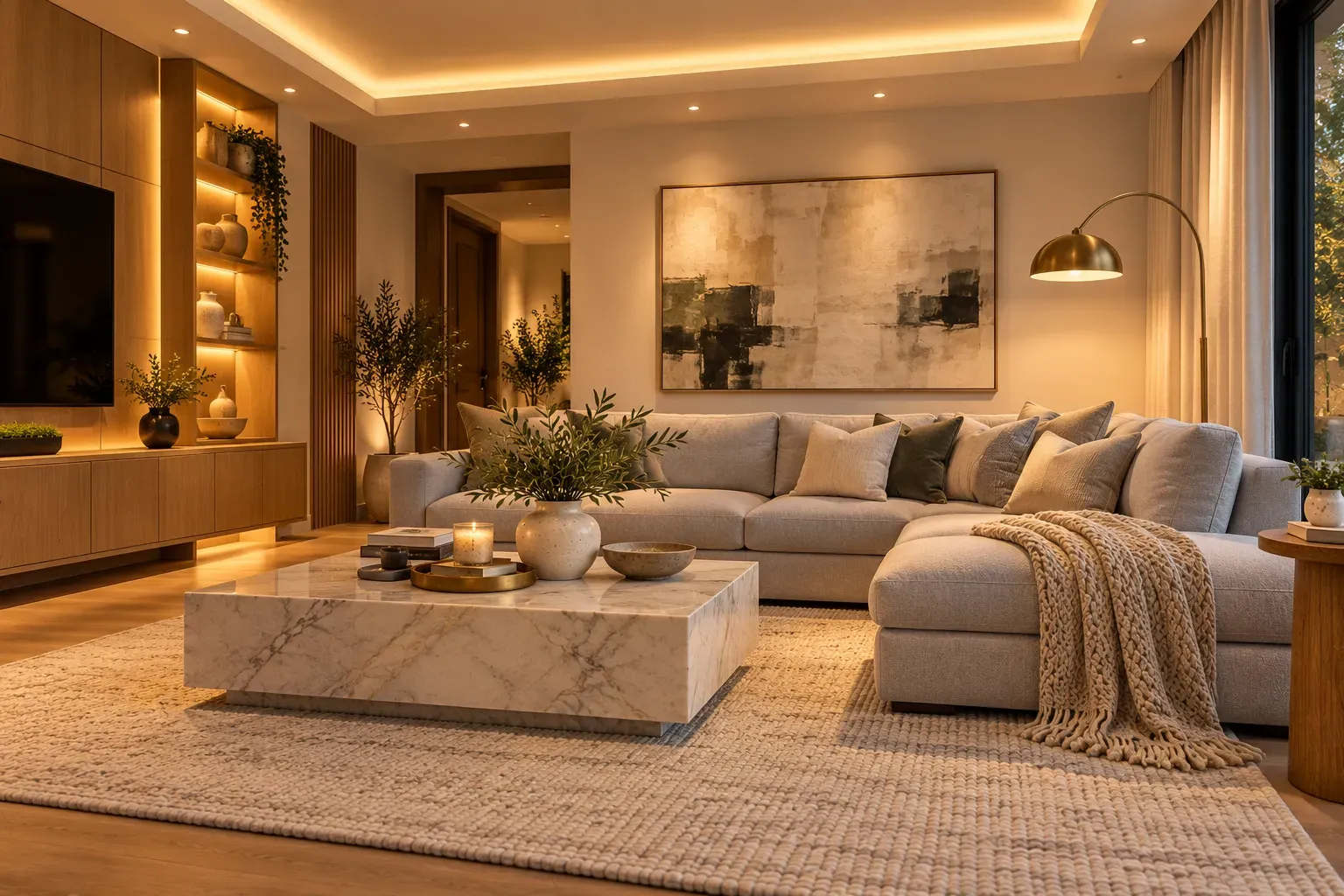
Layer Lighting Instead of Relying on One Ceiling Fixture
Beautiful interiors rarely depend on a single overhead bulb. Professional layered lighting design typically combines ambient, task, and accent illumination to provide both functionality and atmosphere. This approach allows you to control where attention goes while preventing uncomfortable glare. Start with gentle general lighting, introduce a focused reading lamp, and highlight an attractive architectural feature using a discreet wall fixture or carefully positioned LED strip.
This arrangement works particularly well in smaller homes because it adds visual depth without occupying much floor space. A modest living room can feel more considered when separate light sources illuminate different surfaces. Keep color temperatures reasonably consistent, but adjust brightness according to purpose. The result feels intentional rather than overdecorated — one of the most reliable characteristics of an elegant interior.
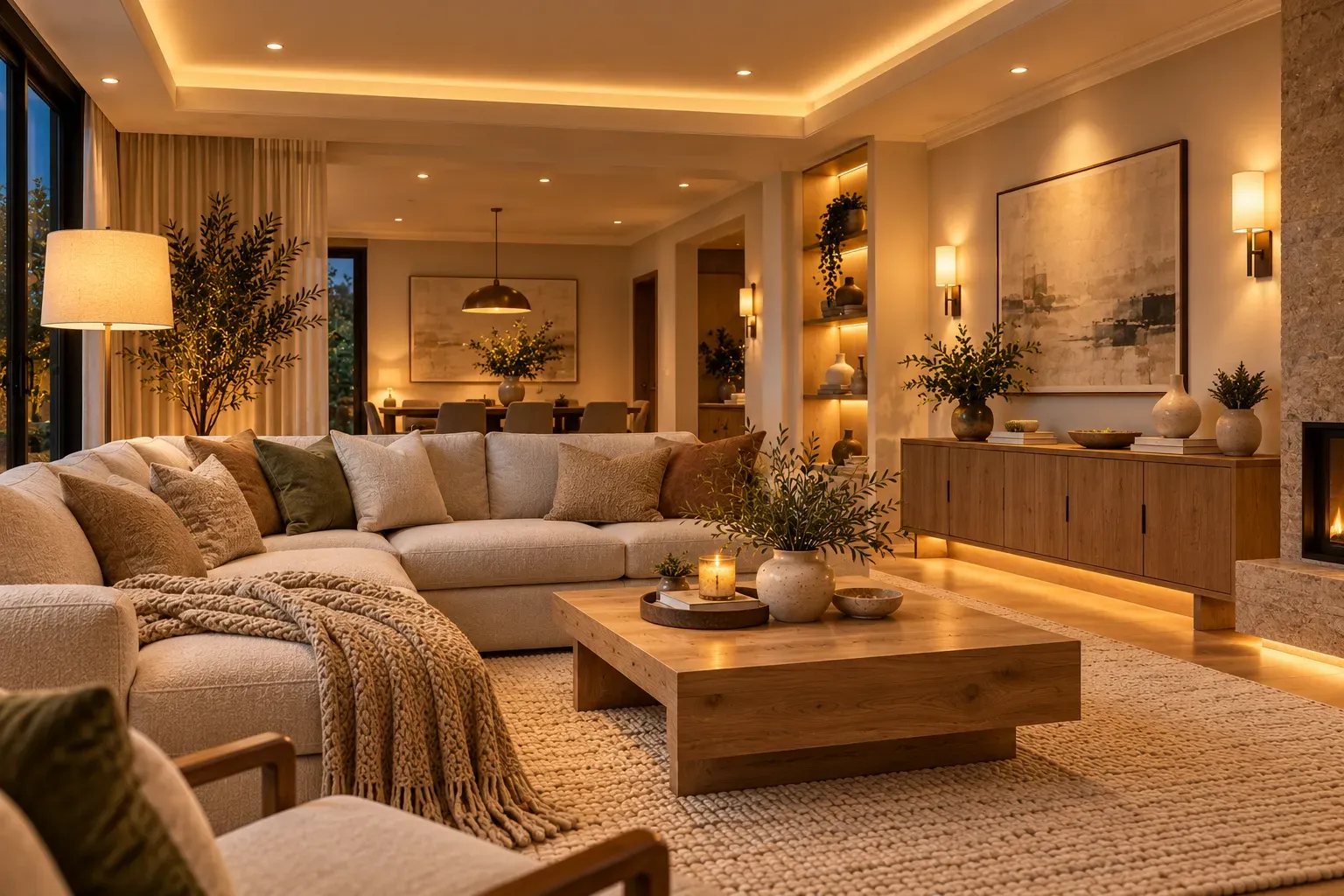
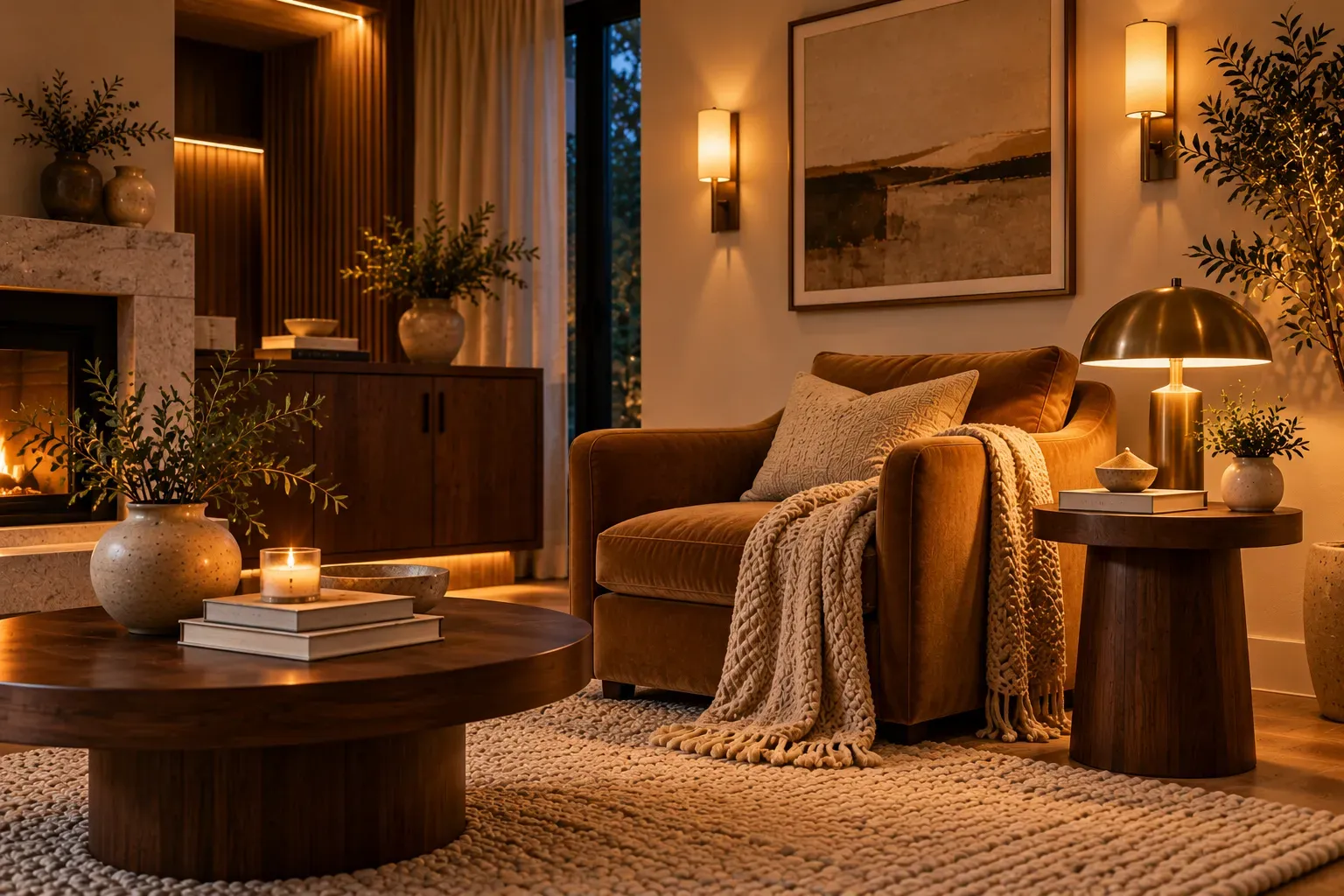
Make Your Living Room Glow Without Harsh Brightness
The most flattering soft white lighting for living room arrangements illuminate people and surfaces without producing uncomfortable glare. Instead of placing extremely bright bulbs directly above the seating area, position shaded lamps beside sofas and armchairs. Their diffused illumination helps create a relaxed atmosphere while allowing decorative materials to remain visible. This approach works particularly well with beige upholstery, natural wood, and softly textured neutral walls.
For an inexpensive upgrade, replace mismatched bulbs with options offering similar color temperatures and good color rendering. Avoid choosing brightness based only on wattage — compare lumen ratings instead. When evening arrives, switch off unnecessary ceiling fixtures and observe the difference. A few thoughtfully positioned lamps can make your living room feel more intimate, balanced, and welcoming than a room illuminated entirely from overhead.
“Switch off the ceiling fixture after dark and rely on lamps alone. That single change will make most living rooms instantly feel more like a boutique hotel lounge.”
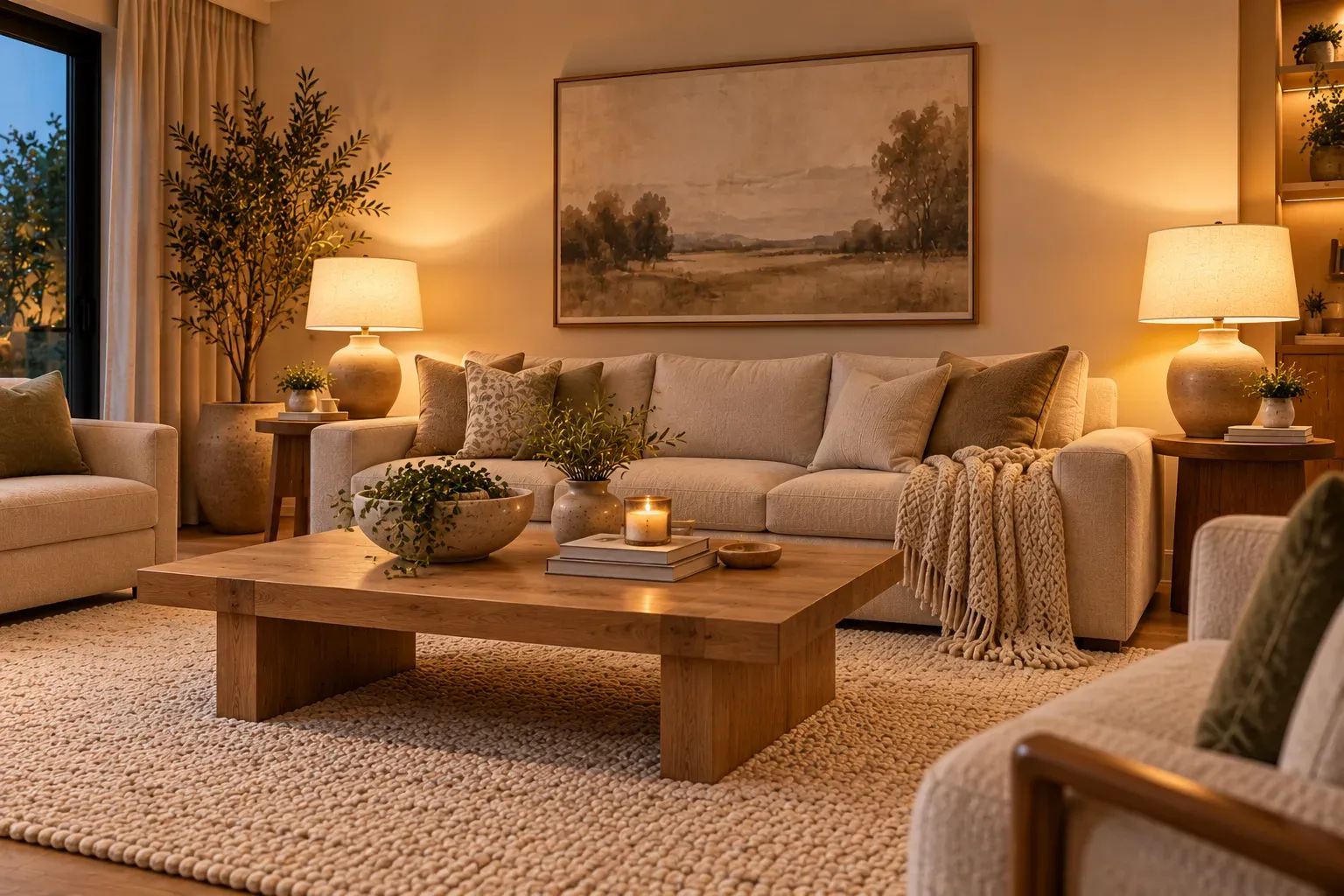
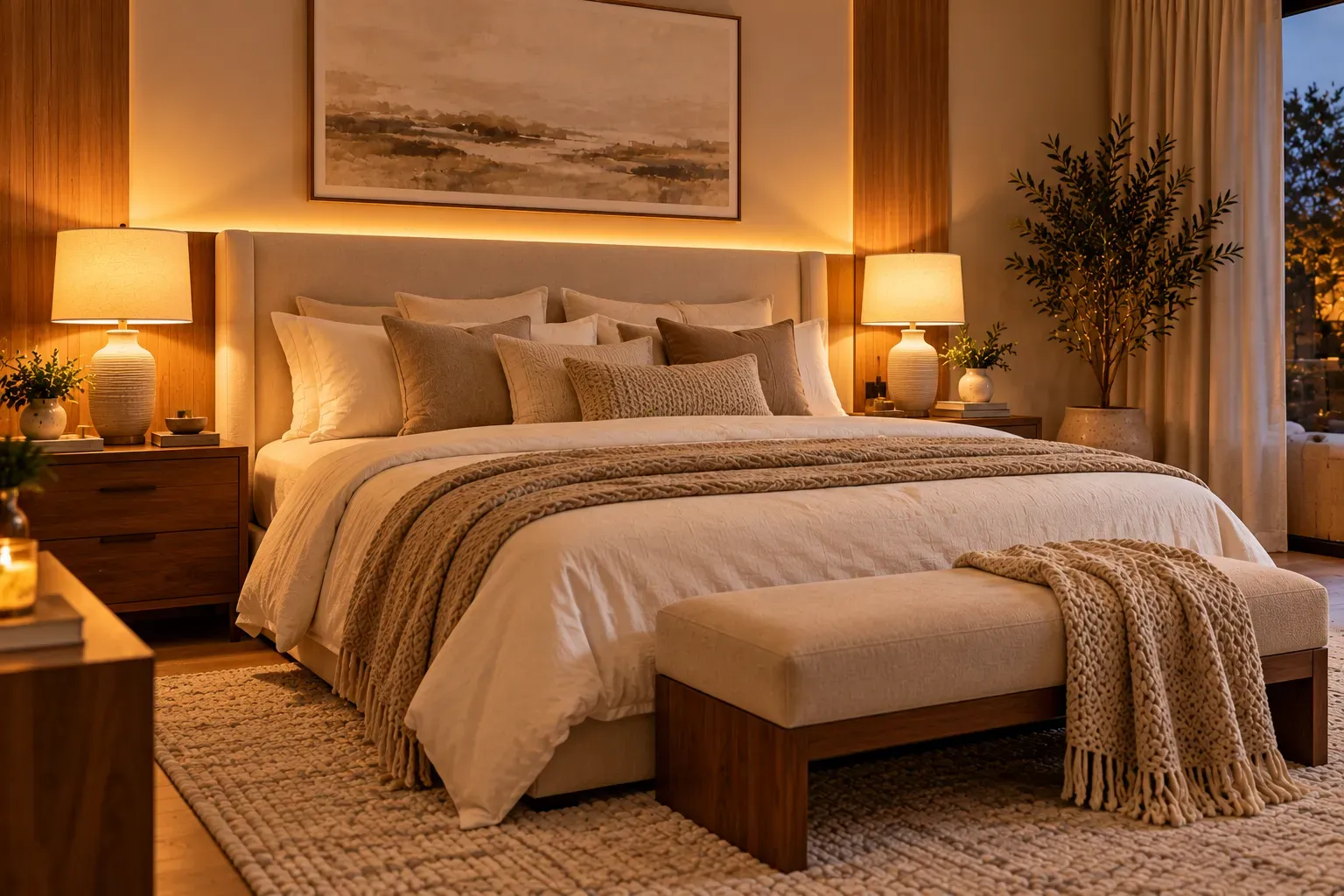
Create a Hotel-Inspired Bedroom With Warm Lighting
A luxurious bedroom should feel restful rather than excessively bright. Many elegant hotel-style interiors use warm bedroom lighting near the bedside to create a comfortable evening atmosphere. Choose shaded lamps, discreet wall sconces, or concealed lighting behind the headboard. Around 2700K is often suitable for relaxing, although individual preferences vary. Position fixtures so the light reaches your book or bedside table without shining directly into your eyes.
Another effective detail is controlling bedroom illumination separately from the main ceiling fixture. Bedside switches or compatible dimmers make nighttime routines more convenient. Avoid placing exposed LED strips where individual diodes remain visible, since they can make an otherwise refined room look unfinished. Concealing the light source behind furniture or architectural trim creates a smoother glow and makes the entire bedroom appear thoughtfully designed.
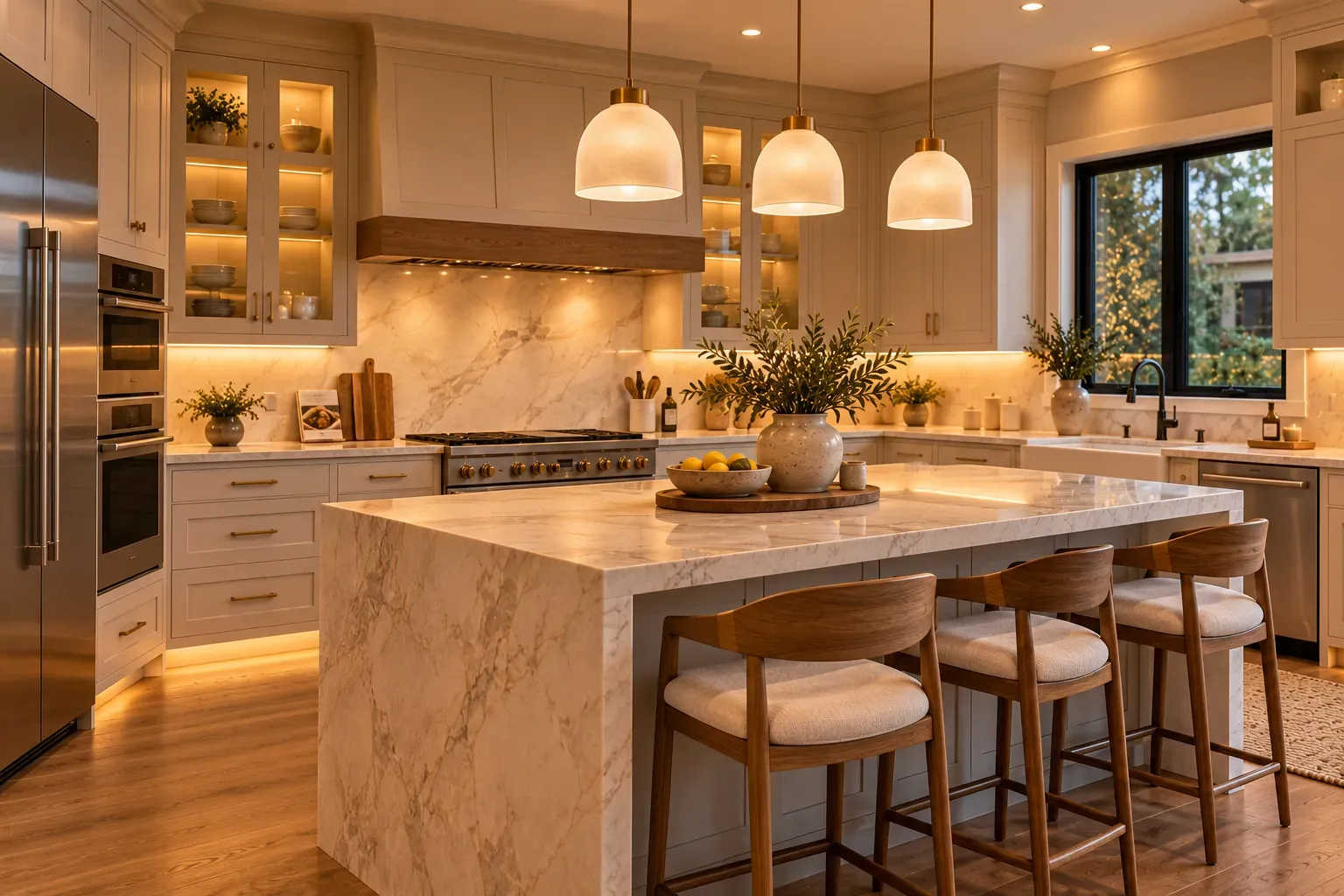
Balance Kitchen Lighting for Beauty and Function
Kitchens require a more practical lighting strategy than bedrooms because food preparation demands clear visibility. 3000K kitchen lighting often provides an attractive compromise between warmth and functional brightness. Install suitable under-cabinet lights to illuminate countertops, and use decorative pendants to add character above an island. Proper fixture placement matters as much as color temperature because shadows from overhead cabinets can make everyday kitchen tasks unnecessarily difficult.
When choosing bulbs, prioritize adequate brightness and accurate color rendering so ingredients and finishes appear natural. A high color rendering index — preferably CRI 90 or above — is particularly helpful around food preparation surfaces. Avoid combining noticeably yellow pendant bulbs with very cool under-cabinet strips. A coordinated lighting scheme makes the kitchen look more cohesive while supporting comfortable cooking, cleaning, and casual dining.
Choose Bulbs With Better Color Accuracy
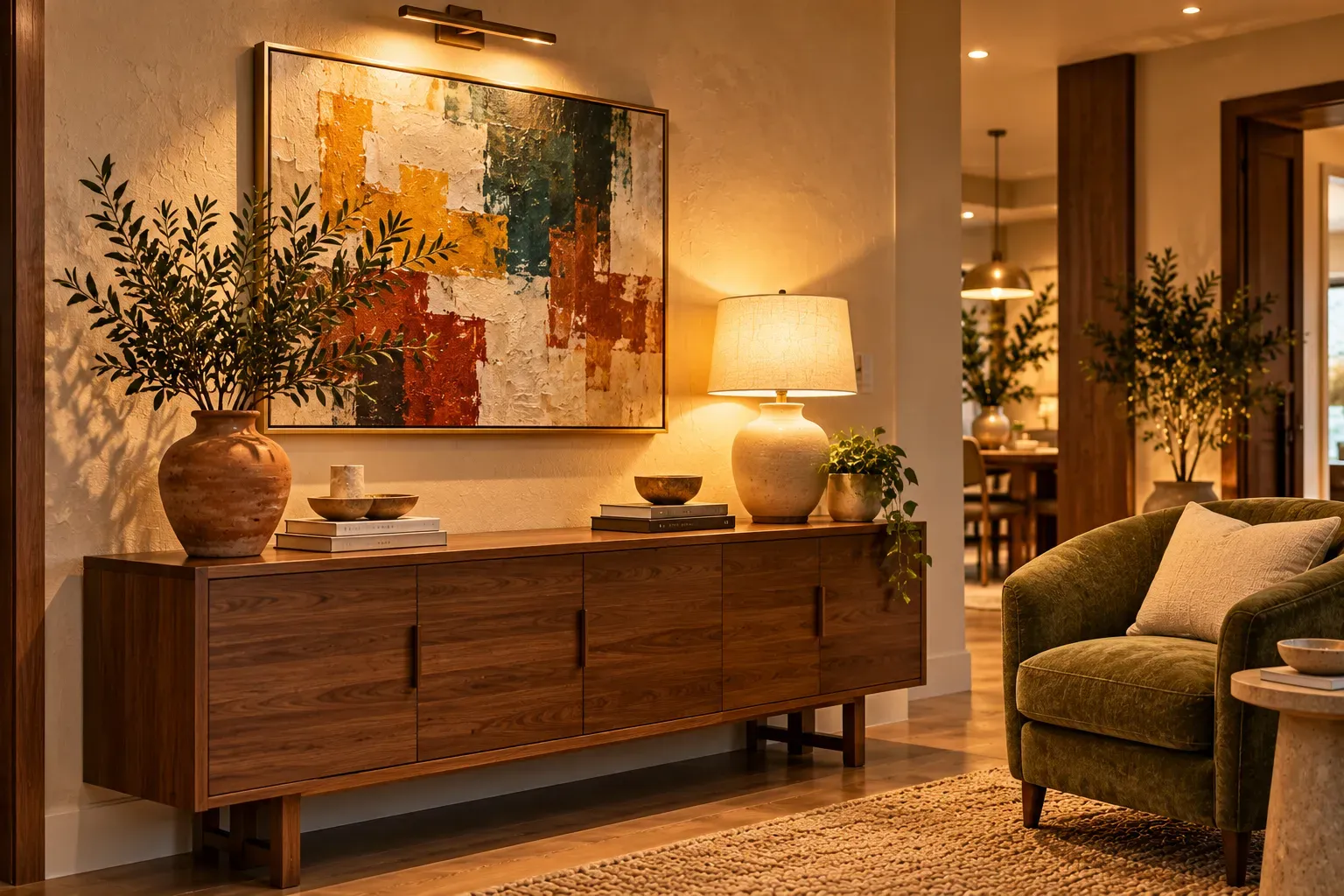
Two bulbs with identical Kelvin ratings can make a room look surprisingly different. That’s because Color Rendering Index (CRI) measures how accurately a light source reproduces colors compared with a reference illuminant. For spaces featuring artwork, natural wood, colorful textiles, or carefully selected paint, bulbs rated CRI 90 or higher are worth considering. Better color accuracy can help decorative finishes appear richer and more natural.
Also pay attention to consistency when purchasing replacement bulbs. Mixing products from different manufacturers may introduce subtle variations in color and brightness, even when their packaging lists the same specifications. For a cohesive appearance, test bulbs together before installing them throughout the room. Consistent lighting is particularly valuable in open-plan interiors, where contrasting light tones become more noticeable across connected living and dining areas.
Use Dimmers to Create Expensive-Looking Ambience
Brightness control is one of the simplest upgrades for luxury home lighting. A room that feels perfect for cleaning may seem excessively bright during a quiet evening. Compatible dimmers allow you to adjust illumination without changing fixtures or rearranging furniture. Lowering brightness can soften visual contrasts and make decorative lamps feel more atmospheric, especially when paired with warm-toned walls, upholstered furniture, and natural materials.
Before installing a dimmer, confirm that your LED bulbs, driver, and control are compatible. Some LEDs flicker or produce noise when connected to unsuitable dimming equipment. Standard dimming usually reduces brightness without changing color temperature, while specialized dim-to-warm products become warmer as they dim — mimicking the behavior of traditional incandescent bulbs. Choose the system that suits your preferred atmosphere and have electrical modifications completed by a qualified professional.
Avoid Common Lighting Mistakes That Cheapen Interiors
Even expensive fixtures can look disappointing when their brightness, placement, or color temperature is poorly considered. Before making permanent changes, evaluate your room during daylight and after sunset. Notice reflections on television screens, shadows around work surfaces, and whether seating areas feel comfortable.
Exposed bare bulbs — glare draws the eye away from your decor. Always use shades, diffusers, or recessed trims.
Mismatched color temperatures — mixing 2700K and 4000K in the same open-plan space creates visual tension that undermines even beautiful furnishings.
Too many recessed downlights — a grid of ceiling holes creates a retail store look. Supplement with lamps and sconces for residential warmth.
Fixtures hung too high — pendant lights above dining tables should hang 70–80 cm above the table surface to feel intimate and intentional.
Ignoring natural light changes — a bulb that looks perfect at noon may appear wrong at dusk. Always test after sunset before committing.
Frequently Asked Questions
Is warm white or soft white better for a luxury home?
Both can look luxurious. The Kelvin rating, brightness, fixture design, and overall lighting arrangement matter more than the marketing label. Warm white (2700K) suits cozy, traditional spaces, while soft white (3000K) suits modern, open-plan interiors.
Is 2700K or 3000K better for a living room?
Choose 2700K for a warmer, cozier appearance or 3000K for a slightly cleaner modern atmosphere. Test both against your specific furnishings and wall finishes before committing to one temperature throughout the room.
Does soft white lighting make a room look bigger?
Not automatically. Balanced brightness, illuminated walls, and reduced shadows can make a room feel more open. The placement and layering of light sources matters more than the color temperature alone.
What lighting color is best for expensive-looking interiors?
Warm-toned lighting around 2700K–3000K is a popular residential choice, but accurate color rendering (CRI 90+) and thoughtful placement are equally important. Layered lighting and compatible dimmers elevate the overall impression more than bulb choice alone.
Conclusion: The Secret to Luxurious Lighting in 2027
Understanding warm vs soft white lighting is ultimately about choosing the right atmosphere for each room. There is no universally superior bulb. A cozy bedroom may benefit from 2700K, while a contemporary kitchen might feel more balanced with 3000K.
The most effective improvement is often surprisingly simple: replace mismatched bulbs, introduce layered lighting, reduce glare, and select fixtures that complement your interior finishes. You don’t need an extravagant budget to create a welcoming, polished home.
✔ Layer ambient, task, and accent light |
✔ Choose CRI 90+ bulbs for art and wood |
✔ Add dimmers to every main room |
✔ Test every bulb after sunset before committing
For 2027, focus on lighting that looks beautiful but also makes everyday life more comfortable. Thoughtful placement, consistent color temperatures, and adjustable brightness will usually deliver a more lasting impression than expensive decorative fixtures alone.
