
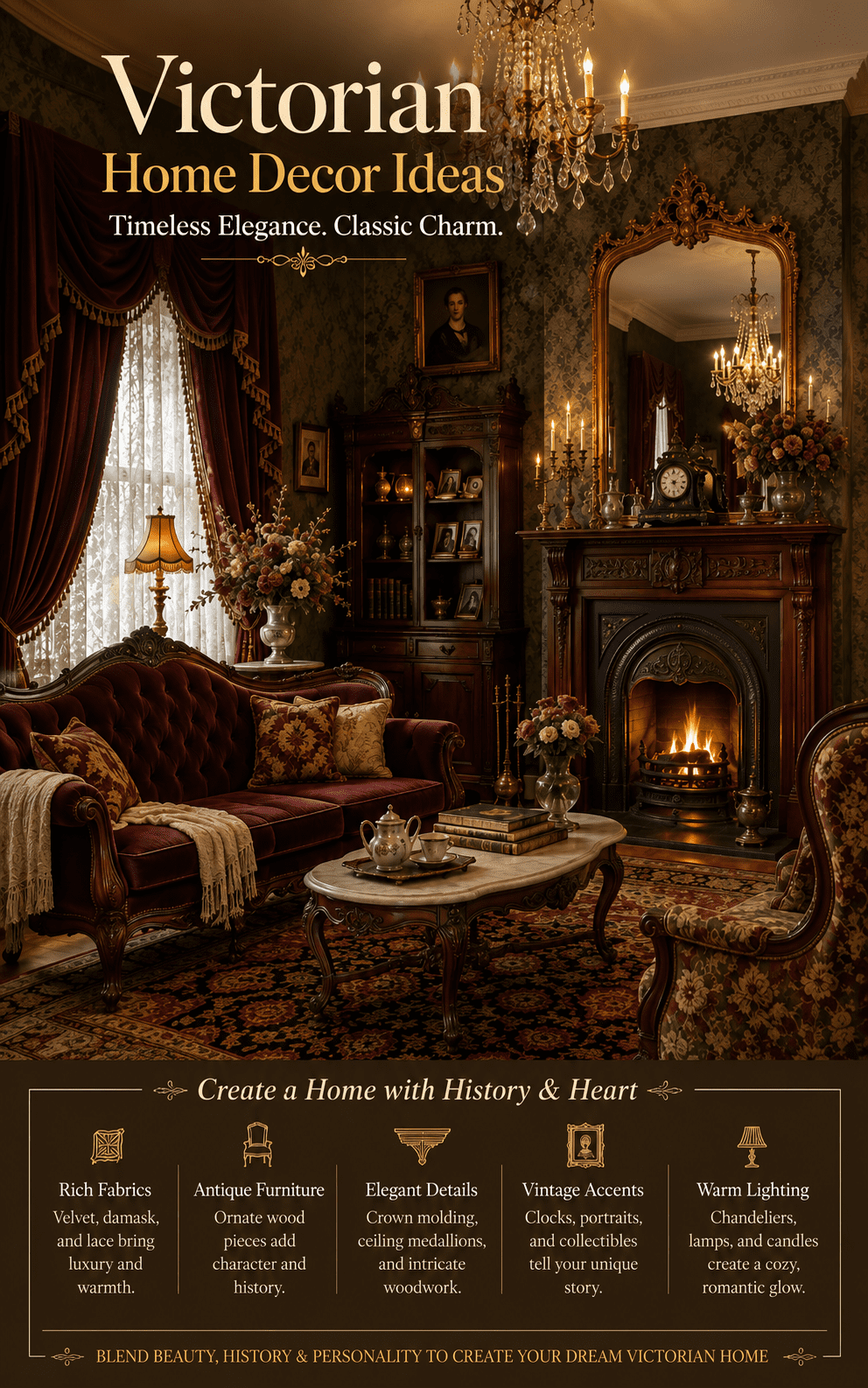
Victorian home decor remains a towering inspiration for homeowners drawn to historical elegance, tactile sophistication, and timeless luxury. Originating during the reign of Queen Victoria in the 19th century, Victorian interior design weaves rich pigments, hand-carved wood, dramatic textures, and intricate artisanal details into warm, atmospheric spaces. Today, design enthusiasts are reinterpreting this classic grandeur, fusing vintage pieces with modern comfort to create spaces that feel curated, storied, and profoundly personal.
01 — Heritage & History
What Is Victorian Home Decor?
Victorian home decor represents the diverse, layered design languages that flourished between 1837 and 1901. Unlike earlier, more rigid design periods, the Victorian era embraced a “more is more” philosophy driven by the Industrial Revolution. For the first time, mass-manufactured luxury became accessible to the emerging middle class, leading to highly decorative, curated interiors that showcased the homeowner’s travels, intellect, and artistic taste.
Historically, these spaces were divided into highly functional rooms, each dressed in heavy materials to insulate against drafty, single-pane windows. Characterized by romantic candlelit shadows and the glow of gaslamps, the aesthetic naturally favored dark wood finishes, layered textiles, and ornate metallic accents.
“The Victorian interior is not merely a styling choice; it is an physical tapestry of history, bringing warmth, poetry, and a heavy dose of romance to modern drywall.”
02 — Design Movements
Why Victorian Home Decor Is Trending Again
As modern homeowners tire of cold, sterile minimalism and flat-packed furniture, there is a collective yearning for interiors that offer warmth, soul, and a sense of permanence. This shift has paved the way for “Grandmillennial” design, “Dark Academia,” and eclectic vintage styling. People want homes that feel cozy, personal, and physically rich.
By integrating historical styling with contemporary restraint, designers can formulate spaces with incredible visual depth. These environments photograph beautifully under natural light and provide a romantic refuge from the fast-paced, digital world outside.Western home decor brings an elegant and fresh ideas about beauty.
03 — Chromatic Foundations
The Best Victorian Home Decor Color Palettes
Color dictates the emotional output of a Victorian-inspired space. Traditional homes used heavy pigments to ground their rooms and absorb coal soot. In modern applications, we can use these rich tones to construct an immersive, cozy envelope or balance them with soft neutrals to create a bright, airy aesthetic.
To implement these successfully, refer to the table below to match your colors with their intended spatial and stylistic effects:
| Primary Hue | Accent Element | Intended Spatial Mood |
|---|---|---|
| Emerald Green | Unlacquered Gold & Brass | Regal, scholarly, and intimately connected to nature. |
| Deep Navy Blue | Warm Cream & Crisp Linen | Sophisticated, dramatic contrast suitable for formal libraries. |
| Royal Burgundy | Polished Mahogany & Brass | Warm, luxurious, and classically historic dining environments. |
| Soft Dusty Rose | Muted Ivory & Pewter | Romantic, gentle, and highly delicate bedroom atmospheres. |
04 — Curated Parlors
Victorian Living Room Decor Ideas
Historically referred to as the parlor or receiving room, the living room is where Victorian families displayed their finest artwork and collectibles. It should feel deeply layered, prioritizing structured, comfortable seating, high curtains, and curated focal points.
Choose Ornate, Sculpted Furniture
Look for furniture defined by sweeping curves and solid hardwood frames. A classic tufted Chesterfield sofa in deep velvet adds an instant anchor. Complement this heavy centerpiece with delicate French-inspired armchairs, marble-topped coffee tables, and dark-stained wood cabinets to bring historical contrast into the room.
Introduce Architectural Detailing
If your home lacks historical character, you can easily install architectural trim. Consider adding crown molding, a decorative ceiling medallion around your light fixtures, or picture frame molding along bare walls. Decorating a marble or cast-iron mantel with vintage candlesticks and an ornate gilded mirror completes this classical focal point.
05 — Dreamscapes
Romantic Bedroom Sanctuaries
A Victorian bedroom is designed as a romantic, sensory escape. To establish this, replace flat headboards with dramatic, tall beds such as four-poster wrought iron frames or deeply tufted velvet headboards in deep plum or forest green.
Install Floral & Damask Wallpaper
William Morris-style botanical wallpaper is a signature of this era. If wallpapering the entire room feels too dramatic, try covering a single focal wall behind your bed. Balance the patterns with solid-colored bedding, heavily layered blankets, and delicate lace curtains that diffuse incoming natural light.
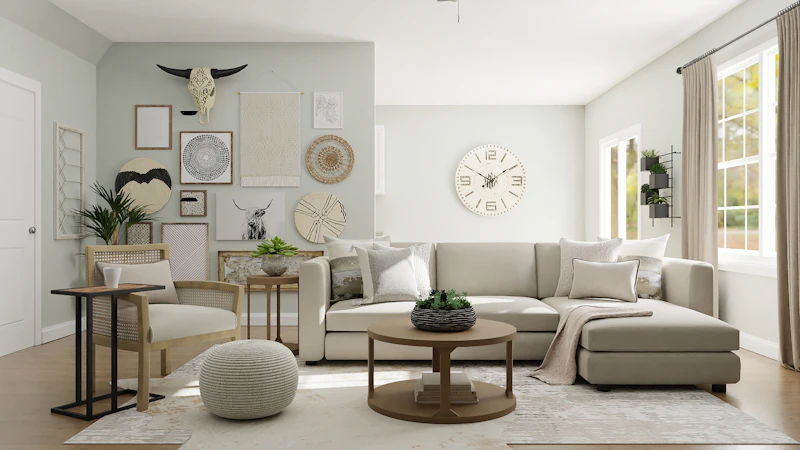

Fusing ornate vintage furniture with dramatic textures creates an inviting and romantic bedroom aesthetic.
06 — Formal Dining
Formal Dining Rooms Built for Entertaining
To the Victorians, dining was a formal ceremony. To recreate this drama, center your space around a large mahogany or walnut dining table featuring hand-carved cabriole legs. Surround the table with high-backed, upholstered dining chairs wrapped in tactile damask or velvet.
Lighting is key here: suspend an ornate crystal chandelier directly above the table to cast a warm, twinkling glow across the room. Complete the space with a glass-front display cabinet showcasing fine porcelain tea sets, crystal glassware, and antique silver serving trays.Minimalist home decor contain fresh and personally experienced ideas in a friendly budget.
07 — Utilitarian Luxury
Historic Kitchens & Bathrooms
Modern Victorian kitchens effortlessly blend classical charm with everyday functionality. Rather than flat-front cabinets, choose traditional shaker-style cabinets finished in rich, deep paint colors like olive green or charcoal gray. Elevate the look with unlacquered brass hardware, a farmhouse fireclay sink, and beautiful marble countertops.
In the bathroom, a freestanding porcelain clawfoot tub is the ultimate statement piece. Pair it with exposed brass gooseneck faucets, warm wainscoting on the walls, and beautiful black-and-white mosaic tile floors for a refined, spa-like escape.
08 — Spatial Balance
Victorian Decor Mistakes to Avoid
When working with such a rich, highly detailed design style, it is easy to make a room feel cramped or outdated. Keep your spaces feeling balanced and inviting by avoiding these common design pitfalls:
-
Overcrowding the Floor Plan: 19th-century rooms were packed with furniture, but modern homes require breathing room. Leave clear pathways and space between your key pieces to keep the layout functional.
-
Neglecting Accent Lighting: relying on a single, bright overhead light can wash out the warm textures and colors of your space. Layer your lighting with brass wall sconces, vintage table lamps, and candles to create a cozy, dimmable glow.
-
Using Exclusively Dark Elements: painting small rooms in dark, saturated colors without balancing them with lighter details can make them feel small and dark. Always balance rich tones with light-reflecting mirrors, warm ivory fabrics, and soft cream moldings.
09 — Common Design Queries
Frequently Asked Questions
Can you mix Victorian decor with modern furniture?
Absolutely. This style is often called “Modern Victorian” or “Victorian Fusion.” The secret lies in architectural contrast: keep your historical moldings, plaster medallions, and antique fireplaces, but pair them with clean-lined contemporary sofas and minimalist, modern lighting.
How do I keep a Victorian room from looking like a museum?
To keep the space feeling fresh and lived-in, use the 80/20 rule: fill 80% of your space with classic Victorian architecture and antiques, and use the remaining 20% for clean-lined modern accessories, abstract artwork, and contemporary light fixtures.
What are the best budget-friendly ways to add Victorian charm?
You can easily find beautiful antique wood chairs, gilded mirrors, and brass accessories at thrift stores and flea markets. Swapping out standard silver cabinet knobs for ornate brass hardware or using peel-and-stick botanical wallpaper are quick, affordable ways to elevate any room.