
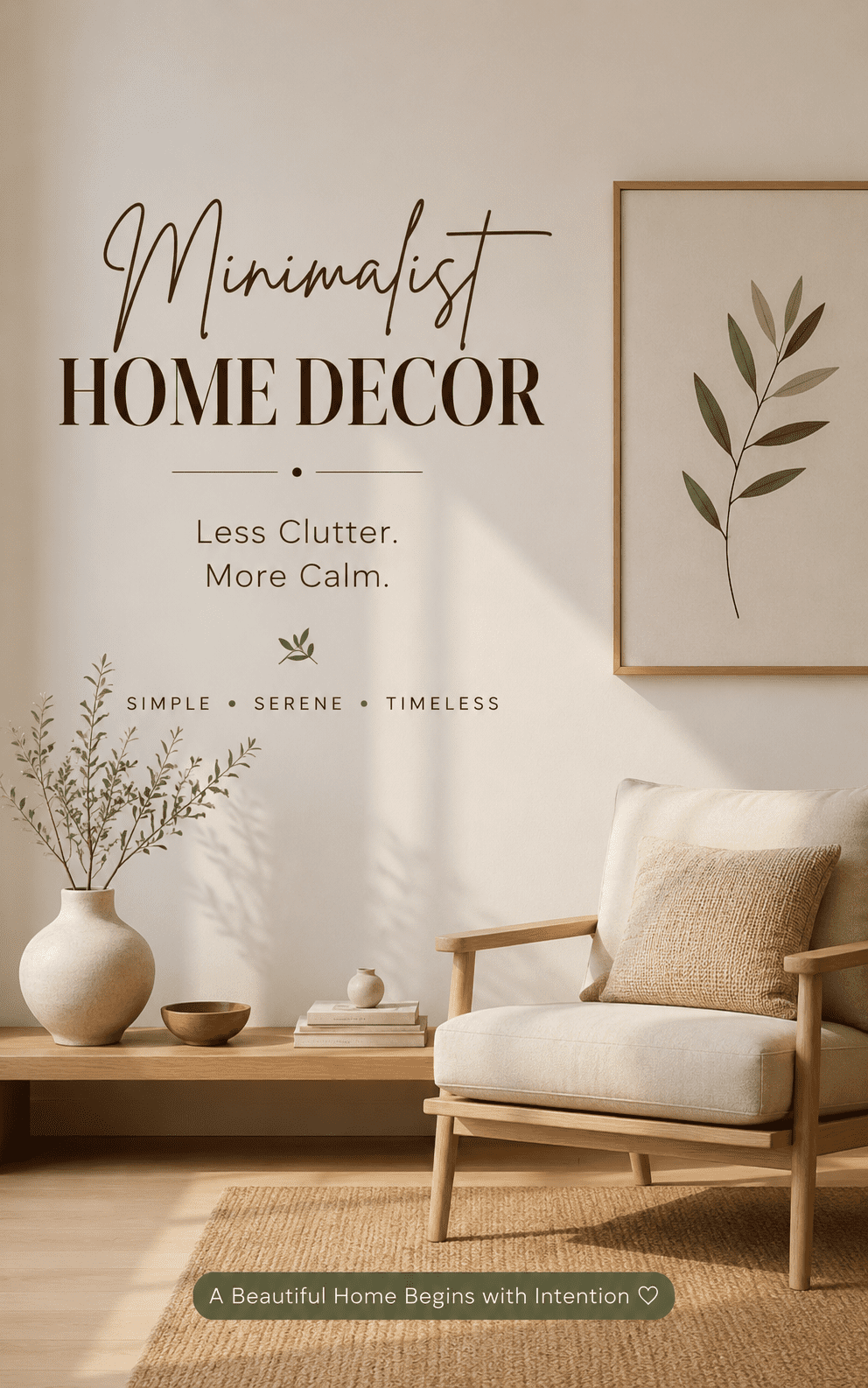
During our years collaborating with homeowners on high-end residential styling, one recurring theme has emerged above all others: the search for visual quiet. Modern lives are filled with digital noise, and our homes have increasingly become the ultimate counterweight. This is why minimalist home decor has grown from a passing aesthetic trend into a deeply intentional way of living. Far from being a clinical style that demands empty, sterile white rooms, true minimalism is an editing process. It is the practice of aligning functionality, premium materials, and open spaces to cultivate a tranquil lifestyle.
01 — The Philosophy
What Is Minimalist Home Decor?
Minimalist home decor is an interior design methodology rooted in simplicity, intentionality, and utilitarian beauty. The foundational philosophy is simple: keep only what serves a functional purpose or provides genuine aesthetic pleasure. Historically derived from mid-century modern design, traditional Japanese architecture, and Scandinavian simplicity, modern minimalism seeks a quiet, elevated atmosphere by eliminating unnecessary distractions.
In practice, this means focusing on the intrinsic qualities of materials—the grain of a premium oak table, the texture of a hand-applied plaster wall, or the soft drape of pure linen curtains—rather than layering rooms with endless trinkets and decorative items. It is a commitment to quality over sheer volume.
02 — Psychological Impact
Why Minimalist Home Decor Is So Popular
Our visual field is highly sensitive to clutter. When a room is crowded with objects, our brains are forced to continuously process those stimuli, subtly driving up cortisol levels. In our design experience, clients who shift toward a minimalist setup report an immediate sense of relief when walking into their newly edited spaces.
Beyond emotional clarity, a minimalist framework is highly practical. Fewer objects make rooms easier to clean, allow for better air and foot traffic flow, and let individual statement pieces of furniture truly shine. When every element has space to breathe, the entire room feels larger, lighter, and timelessly elegant.
“Minimalism is not the absolute absence of beauty, but the absolute concentration of it on what truly brings joy to a space.”
03 — Design Architecture
Core Principles of Minimalist Interior Design
Successfully executing a minimalist home requires sticking closely to several design principles. These guidelines prevent spaces from feeling uninspired, unfinished, or overly cold:
- Symmetry and Balance: Focus on balanced furniture arrangements that distribute visual weight evenly across the room.
- Negative Space: Leave areas of walls or floors empty. Negative space is not wasted space; it acts as visual breathing room.
- Architectural Continuity: Keep lines clean and clean trim details simple to allow the natural architecture of the room to stand out.
- Lighting Integration: Treat light as an architectural material. Let daylight pour in uninterrupted, and use warm, low-level lighting at night.

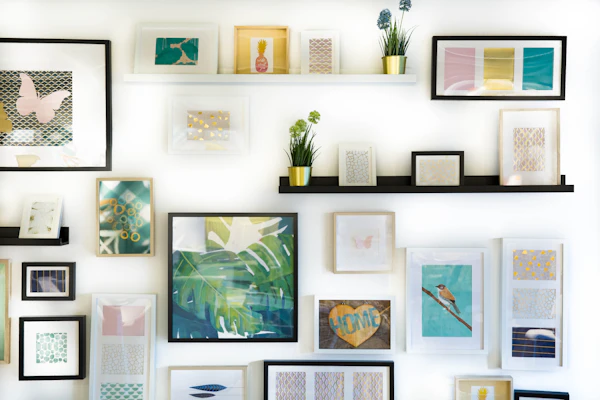
A study in contrast: combining warm wood grains with structured architectural plaster to create depth.
04 — Palette Selection
Best Color Palettes for Minimalist Home Decor
A common misconception is that minimalism only allows for stark white walls. In our styling practice, we find that a warm, nuanced neutral color palette is much more inviting. The goal is to choose colors that flow seamlessly from one room to the next, creating a continuous, relaxing atmosphere.
When working with neutral colors, it is helpful to pick one base undertone (warm beige, cool gray, or clean greige) and layer different tones of that color to create subtle depth without clashing.
Alabaster
Warm Oat
Clay Sand
Walnut
Charcoal
05 — Layout Strategy
Room-by-Room Layout Curation
The Living Room
Start with your primary seating arrangement. We suggest investing in a low-profile sofa with clean lines and soft, neutral fabric (like a textured bouclé or flat-weave linen). Keep the floor area clear by choosing a simple, sculptural coffee table. For small spaces, utilizing multi-functional, low-height furniture can make the room feel much larger. For a deeper look at space-saving layouts, read our guide on small apartment living room ideas.
The Bedroom
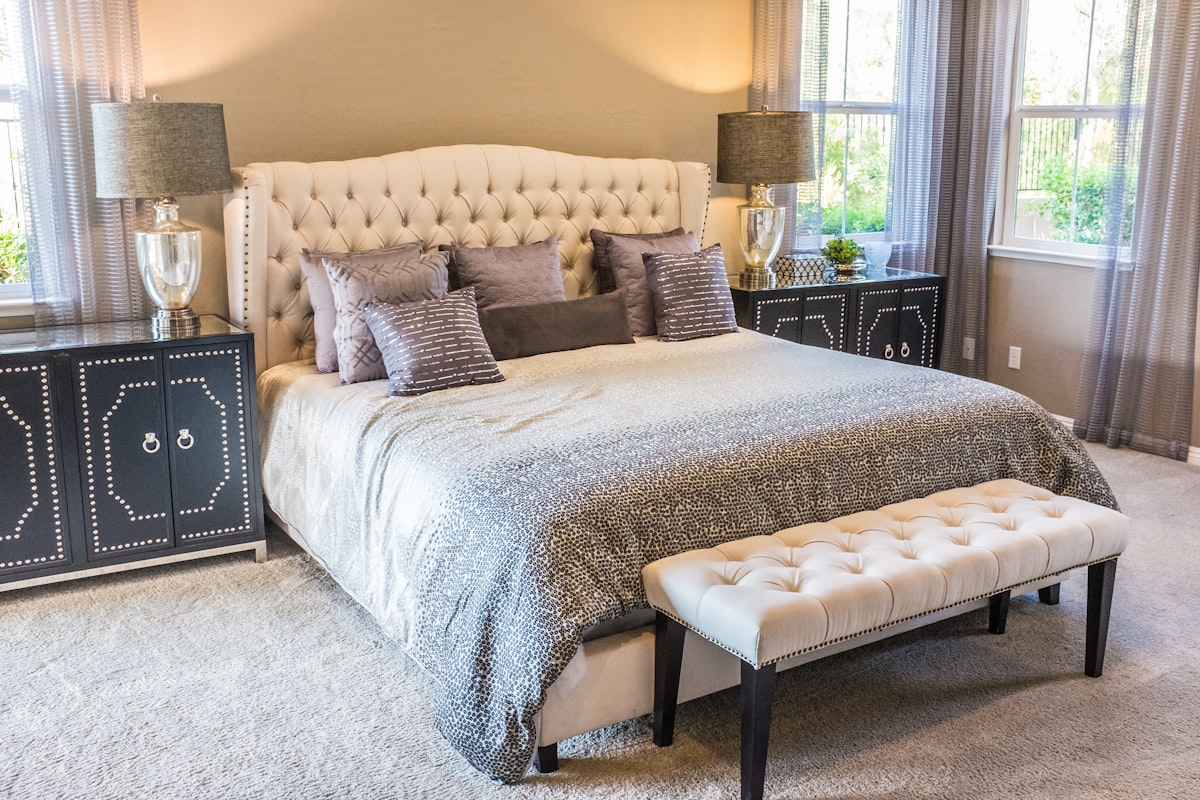
To create a relaxing environment, hide your electronics and keep surfaces clear. A low wooden platform bed frame, a pair of matching bedside tables with drawers to hide visual clutter, and pure linen bedding are all you need. Focus on soft, diffuse light sources rather than bright overhead fixtures.
The Kitchen and Dining Space
Minimalist kitchens rely on smart storage to keep countertops completely clear of small appliances. Flat-panel, handle-less cabinets in matte finishes look beautifully streamlined. For the dining area, choose a single solid-wood table paired with simple chairs, using natural wood grains to add texture.
The Spa-Like Bathroom
Transform your bathroom by using a limited color scheme of stone, glass, and wood. Use wall-mounted floating vanities to keep the floor visible, and display only a few daily essentials in simple ceramic or glass bottles.
06 — Materiality
Sourcing Furniture & Materials
When you have fewer things in a room, the quality of each piece becomes much more important. We always advise clients to steer clear of cheap, synthetic materials that wear out quickly. Instead, look for authentic, tactile materials that develop a beautiful character over time.
Styles like Scandinavian design, Japandi, and Mid-Century Modern fit beautifully into minimalist homes because they emphasize clean wood joints, natural materials, and timeless shapes.
Learn the core principles of minimalist design and intentional living spaces:
07 — The Editing Method
The Art of the Edit: How to Gently Declutter
Transitioning to a minimalist home can feel overwhelming if you try to tackle the entire house at once. We recommend starting small with a single drawer or closet. Group similar items together, keep what is truly useful or beautifully made, and donate or recycle the rest.
Once you have decluttered, try to maintain a “one-in, one-out” rule: whenever you bring a new item into your home, let go of an older one to keep your spaces feeling open and organized.
08 — Layout Pitfalls
Mistakes to Mindfully Avoid
It is easy to make a few common styling mistakes when first trying out a minimalist look. Here are a few things to keep in mind:
-
The “Showroom” Vibe: Avoid making your home look like a cold catalog. Be sure to include meaningful objects, family photos in simple frames, or favorite books.
-
Ignoring Textures: If you use smooth, flat finishes everywhere, your rooms can end up looking flat and uninviting. Layer soft rugs, linen fabrics, and wood grains for warmth.
-
Using Cold Lighting: Avoid bright blue or stark white LED bulbs (5000K+). Stick to warm bulbs (2700K) to make clean, open spaces feel cozy and relaxing.
09 — Next-Gen Styling
The Future of Warm Minimalism
Minimalist design is moving away from the stark, all-white styles of the past. Today, the focus is on “warm minimalism.” This style combines cozy textures, soft curved furniture, earthy colors, and eco-friendly materials to create spaces that are both clean and incredibly welcoming.
By choosing durable, high-quality furniture and bringing a touch of nature indoors with simple houseplants, you can create a beautiful, modern home that feels peaceful, practical, and true to your lifestyle.
10 — Help Desk
Frequently Asked Questions
How do I make a minimalist home feel cozy rather than cold?
To bring warmth into a minimalist space, focus heavily on tactile materials. Layer natural textiles such as boucle, brushed linen, and chunky wool knits, and incorporate warm-toned natural woods like white oak or walnut. Keeping your lighting warm (between 2700K and 3000K) also plays a critical role in diffusing cozy tones across clean surfaces.
What is the difference between classic minimalism and Japandi style?
Classic minimalism focuses strictly on reducing clutter, highlighting clean architectural lines, and neutral monochromatic tones. Japandi is a popular hybrid design style that blends this clean Scandinavian functionality with traditional Japanese wabi-sabi philosophy, introducing raw textures, organic imperfections, earthy palettes, and handcrafted materials.
Can a family home with children adopt a minimalist style?
Yes, absolutely. For families, the secret lies in hidden storage and dual-purpose furniture. Utilize storage benches, closed sideboard cabinets, and washable, performance-grade fabrics. Instead of stripping away toy spaces, minimalist design organizes these areas intentionally so surfaces can be easily cleared at the end of the day.